Inflation didn’t just raise car prices; it reshaped buyer behavior. By 2026, how inflation affects car buying is clear as Americans approach car shopping with a different mindset than even a few years ago.
Sticker shock, higher interest rates, and rising ownership costs have turned what was once an aspirational purchase into a carefully calculated financial decision.
Buyers Start With Monthly Cost, Not Sticker Price
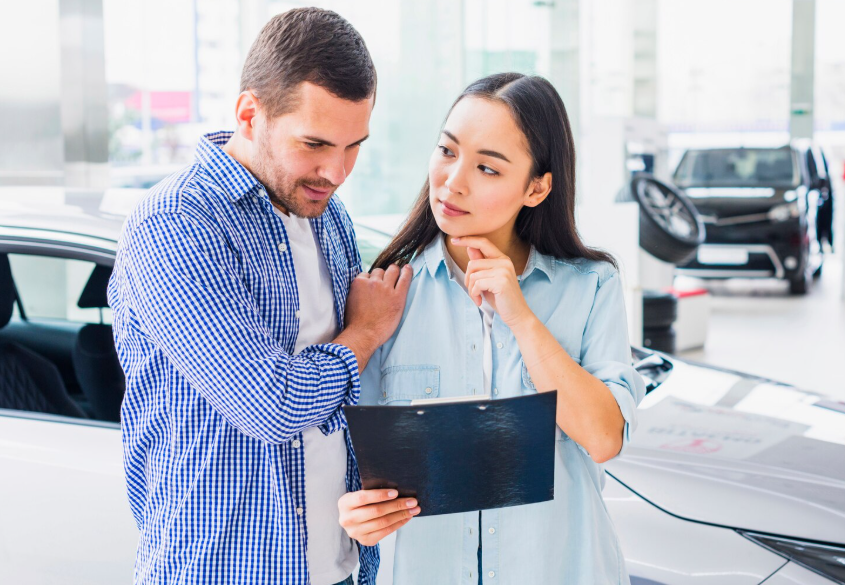
One of the most significant changes inflation introduced is how buyers evaluate affordability. Instead of focusing on the vehicle’s price, shoppers now anchor on monthly payments.
Higher interest rates mean even modest price increases translate into much larger monthly obligations. As a result, buyers scrutinize financing terms more closely, extend loan lengths, and compare scenarios before stepping onto a lot. The emotional excitement of car shopping has given way to spreadsheet-style decision-making.
Explore Why Entry-Level Cars Are Getting More Expensive to understand the effects of rising costs.
Shoppers Are Keeping Cars Longer
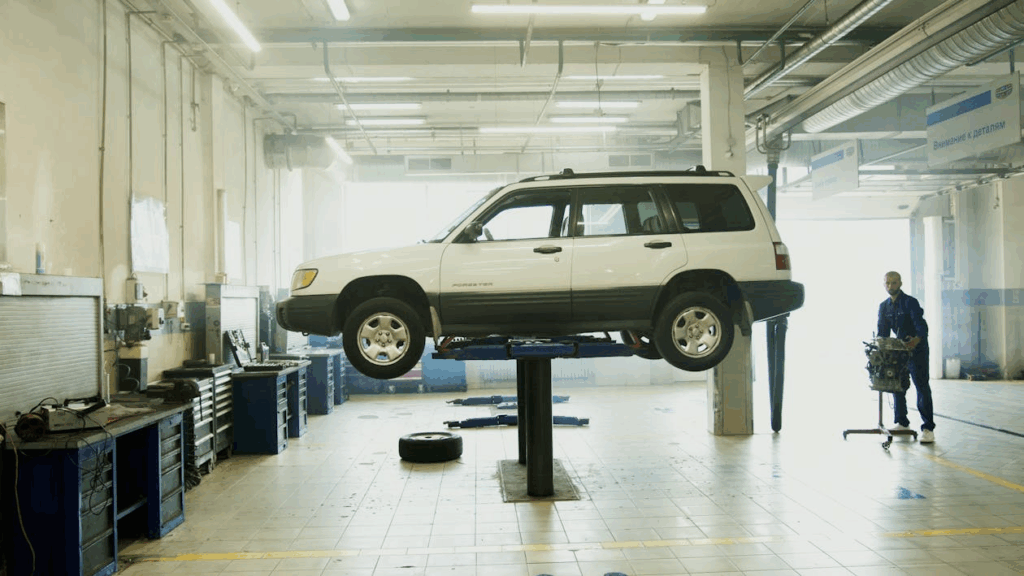
Inflation has reinforced a trend that was already emerging: holding onto vehicles longer. With replacement costs rising, many owners delay upgrades and invest more in maintenance.
Vehicles that might once have been traded in after five years are now kept for eight or ten years. Reliability, warranty coverage, and repair predictability matter more than ever. Inflation turned long-term ownership from a preference into a strategy.
Learn The Vehicles Drivers Keep Longer Than Expected as inflation reshapes replacement timelines.
Downsizing and Reprioritizing Features
Buyers are also reassessing what they actually need. Inflation has prompted consumers to cut back on excess, opting for smaller vehicles, fewer options, or lower trims to stay within their budget.
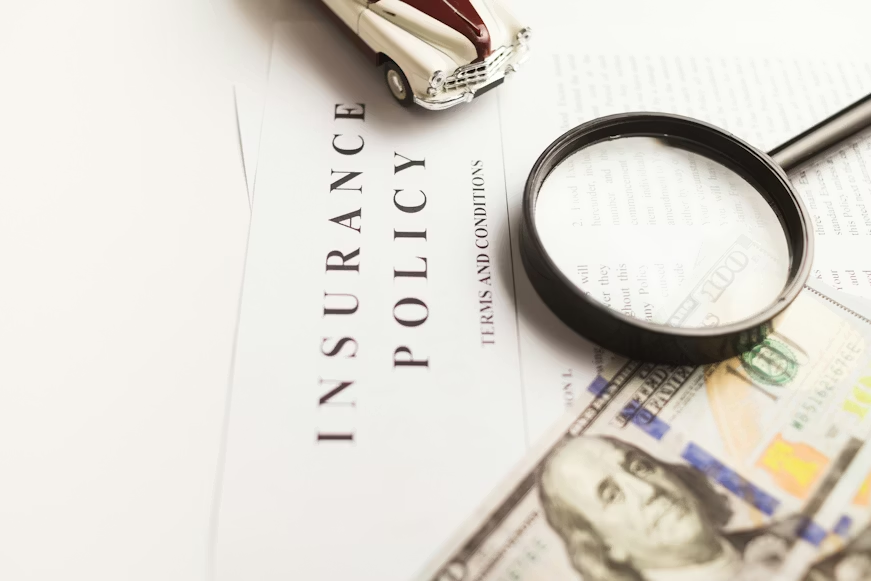
Luxury features and performance upgrades are increasingly viewed as negotiable rather than essential. Practical considerations like fuel efficiency, car insurance cost, and maintenance now outweigh image or novelty for many shoppers.
Used Cars Became a Primary Alternative
As new-car prices climbed, used vehicles became the default choice for more buyers. Inflation prompted shoppers who once preferred new models to turn to the used market.
This surge in demand also raised used prices, narrowing the value gap. Buyers now spend more time researching vehicle history, ownership costs, and reliability to avoid costly mistakes. Inflation didn’t just increase prices; it increased caution.
Check What ‘Low Mileage’ Really Means in Used Car Listings before relying on surface-level value signals.
Negotiation Strategies Have Changed
Inflation reduced the effectiveness of traditional negotiation tactics. With tighter inventory and higher baseline costs, buyers face fewer opportunities for deep discounts.
Instead, shoppers focus on total value: financing incentives, trade-in optimization, warranty coverage, and timing purchases around quotas or promotions. Negotiation is now more about structure than sticker price.
Credit and Financing Matter More Than Ever
Inflation amplified the importance of credit health. Interest rates magnify minor differences in credit scores, dramatically affecting affordability.
Buyers are more likely to secure pre-approval, shop around for lenders, and delay purchases to improve their credit. Financing strategy has become as important as vehicle selection.
Emotional Buying Gave Way to Risk Management
Perhaps the most profound shift is psychological. Inflation turned car buying into a risk-management exercise.
Shoppers weigh worst-case scenarios, such as job changes, repair costs, and insurance increases, before committing. Cars are evaluated less as lifestyle upgrades and more as financial liabilities to be controlled.
Read When Repairing an Old Car Stops Making Financial Sense to evaluate long-term ownership tradeoffs.
What This Means for Car Shopping in 2026
Inflation permanently altered consumer behavior. Buyers are more informed, cautious, and value-driven.
In 2026, successful car shopping isn’t about finding the flashiest deal; it’s about minimizing regret. Inflation taught Americans to shop for cars with realism instead of optimism, and that lesson is unlikely to fade anytime soon.