
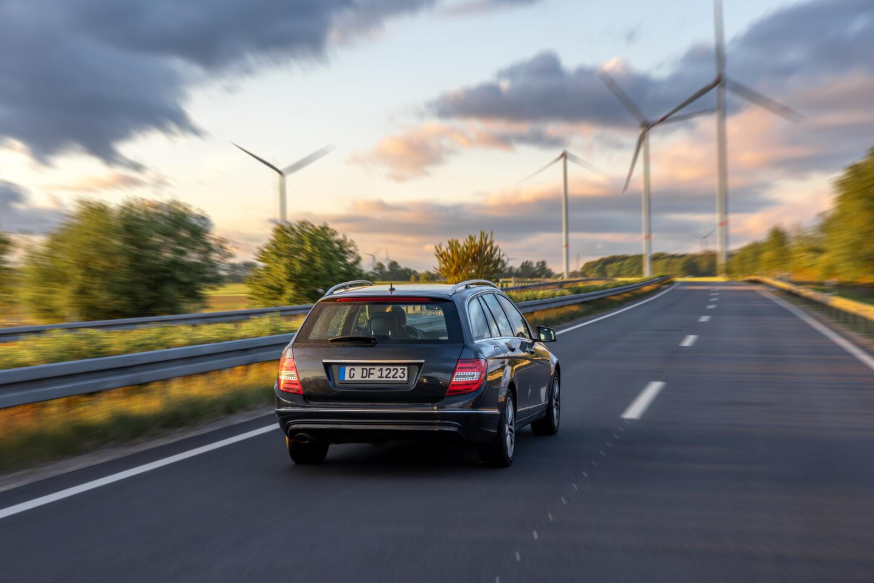
The best cars for long commutes aren’t about excitement. They’re about reducing fatigue, saving money, and making daily travel feel manageable rather than draining.
Long commutes put unique demands on a vehicle. In 2026, with rising fuel costs, heavier traffic, and longer average drive times, commuters are prioritizing comfort, efficiency, and low ownership stress more than ever.
Comfort Matters More Than Performance
For commuters who spend hours behind the wheel each week, seat comfort and ride quality are crucial. Vehicles with supportive seats, adjustable lumbar support, and quiet cabins can dramatically reduce physical strain over time.
Suspension tuning also plays a role. Cars that absorb road imperfections smoothly help prevent fatigue, especially on rough highways or stop-and-go urban roads. A calm, composed ride often matters more than sporty handling when the goal is arriving less exhausted.
See The Cars That Stay Practical Without Feeling Boring to see why commuter-friendly design beats flash.
Fuel Efficiency Adds Up Quickly
Fuel economy remains one of the most critical factors for long-distance commuters. Even slight differences in miles per gallon can translate into significant savings over a year of daily driving.
Hybrid vehicles stand out in this category, particularly for mixed city and highway commutes. They reduce fuel consumption without requiring charging infrastructure. Efficient gas vehicles and plug-in hybrids can also make sense depending on commute length and access to charging.
Learn Why Hybrid Vehicles Are Having a Quiet Comeback as commuters chase lower fuel costs.
Driver-Assistance Features Reduce Stress
Advanced driver-assistance systems can meaningfully improve long commutes when appropriately used. Adaptive cruise control helps manage traffic flow, while lane-centering systems reduce the mental load of constant steering corrections.
These features don’t replace attentive driving, but they do make repetitive highway miles less taxing. Vehicles that offer smooth, predictable assistance and avoid overly aggressive interventions are best suited for daily commuting.
See The Fastest-Growing Car Features Buyers Didn’t Ask For to avoid tech that adds friction to commuting.
Quiet Cabins Improve Mental Fatigue
Noise fatigue is often overlooked, but it has a real impact over time. Road traffic noise, wind noise, and engine vibration can wear drivers down during long commutes.
In 2026, many vehicles will focus on sound insulation, acoustic glass, and refined powertrains. Electric and hybrid vehicles excel in this regard, but well-designed gas cars can also deliver impressively quiet cabins. A peaceful interior makes daily driving feel less like a chore.
Reliability and Low Maintenance Are Essential
Long commutes accelerate wear and tear. Vehicles that require frequent maintenance or unexpected repairs quickly become expensive and stressful.
Cars with proven reliability records, reasonable maintenance costs, and strong warranty coverage are ideal for commuters. Simpler powertrains and well-established platforms tend to hold up better under high mileage conditions.
Infotainment and Connectivity Help Pass the Time
While screens shouldn’t dominate attention, sound infotainment systems matter on long drives. Straightforward navigation, reliable voice controls, and seamless smartphone integration improve usability without distraction.
For commuters, consistent performance is more important than flashy features. Systems that respond quickly and don’t glitch make daily routines smoother rather than frustrating.
Explore The Biggest Car Design Trends Taking Over in 2026 to see which layouts improve comfort.
The Best Commuter Cars Share Common Traits
Rather than focusing on specific models, the best commuter cars in 2026 share key characteristics: comfort-focused interiors, strong fuel efficiency, dependable safety tech, and reasonable ownership costs.
Drivers who prioritize these traits over image or performance tend to be more satisfied in the long term. A good commuter car doesn’t need to impress; it needs to endure.
In a time when commuting remains unavoidable for many, choosing the right vehicle can dramatically improve quality of life. The best cars for long commutes are those that make every mile easier, quietly and efficiently.