
While there’s no single “perfect” month to buy any vehicle, understanding seasonal patterns can help buyers negotiate better deals and avoid overpaying.
Timing can significantly impact how much you pay for a car. In 2026, supply constraints have eased in some segments while demand remains uneven across others, making timing more critical than ever.
Why Timing Still Matters in 2026
Inventory levels, sales targets, and consumer demand influence vehicle pricing. Dealerships operate with monthly, quarterly, and annual sales goals, which can influence their willingness to offer discounts.
Incentives also fluctuate throughout the year. Automakers may increase rebates or financing offers to move slow-selling models or clear space for incoming inventory. Buyers who understand these cycles gain leverage.
Explore The Most Anticipated Vehicle Releases Coming This Year to plan around model launches.
Sedans and Compact Cars Favor End-of-Year Buyers
Sedans and smaller cars tend to see the most substantial discounts toward the end of the calendar year. As demand continues to shift toward crossovers and SUVs, dealers are more motivated to move traditional cars off lots.
Late fall and early winter, especially November and December, often bring the best pricing on these vehicles. Buyers willing to shop during colder months may find better availability and more flexible negotiations.
SUVs and Crossovers Have Seasonal Peaks
SUVs and crossovers remain popular year-round, but timing still matters. Late summer and early fall can be good windows, particularly when dealerships begin making room for updated models.
Demand often spikes in spring, when buyers plan road trips and family activities. Shopping before or after these peaks can improve pricing. In 2026, inventory levels vary widely by region, making local timing just as important as national trends.
Check Why So Many Drivers Are Downsizing From Trucks and SUVs before buying during peak seasons.
Trucks Are Cheapest When Demand Is Lowest
Pickup trucks follow a more pronounced seasonal pattern. Demand often increases in the spring and summer, especially in regions with significant construction, agriculture, or outdoor recreation activities.
Late fall and winter tend to offer better deals, particularly on non-specialty trims. Buyers who don’t need seasonal capability immediately may benefit from shopping when demand slows.
Electric Vehicles Follow Incentive Cycles
EV pricing is less tied to traditional seasons and more influenced by incentives and policy changes. Automaker rebates, tax credits, and lease specials can appear suddenly and disappear just as quickly.
End-of-quarter and end-of-year periods often bring aggressive EV promotions as manufacturers aim to hit sales or emissions targets. In 2026, staying flexible and monitoring incentive changes can yield significant savings.
Read Why Entry-Level Cars Are Getting More Expensive to see why timing matters for budget buyers.
Hybrids Are Harder to Time
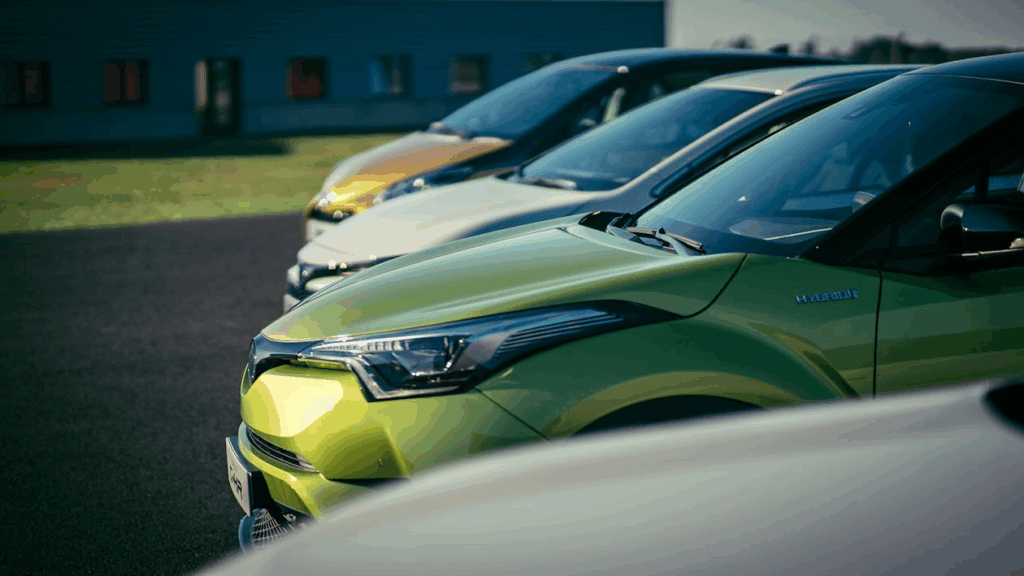
Hybrid vehicles remain in steady demand, making them less predictable in terms of discounts. Their efficiency appeals to a wide range of buyers regardless of the season.
However, hybrids may see modest incentives during slower sales periods or when new versions are introduced. Buyers should focus more on availability and pricing trends than on specific months.
Month-End and Quarter-End Advantages
Regardless of vehicle type, timing purchases near the end of the month can improve negotiating power. Sales teams working to meet quotas may be more willing to make deals.
Quarter-end periods can amplify this effect, especially if inventory levels are high. Buyers who are prepared and flexible can capitalize on these pressure points.
Check Is Leasing Still Worth It in Today’s Market? to compare incentives that can beat traditional discounts.
Smart Timing Beats Guesswork
In 2026, the best time to buy depends on what you’re buying and why. Seasonal trends still matter, but local inventory and incentives often matter more.
Researching pricing trends, watching incentive announcements, and being willing to wait can save thousands. The best deals aren’t about luck; they’re about timing and preparation.