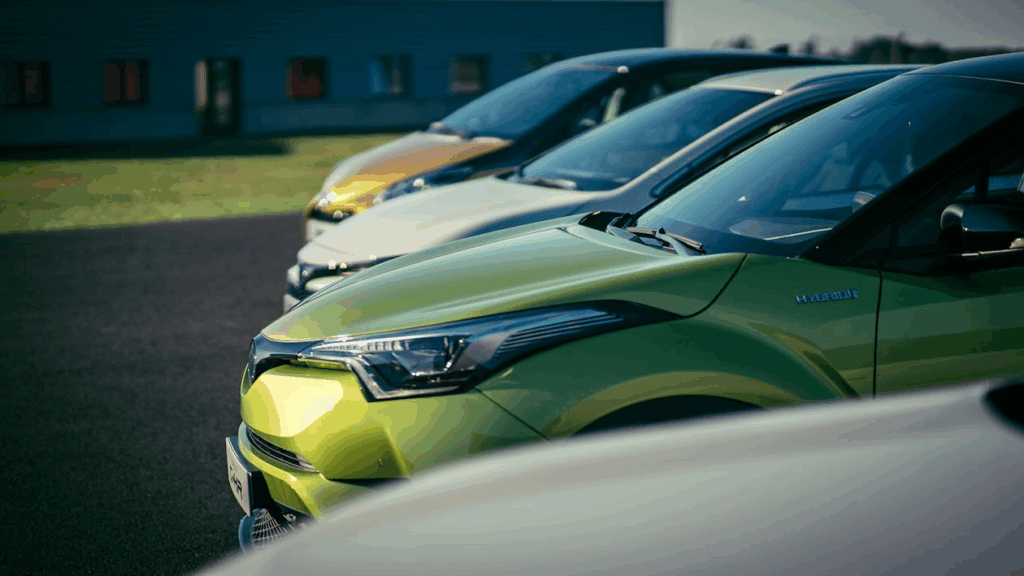
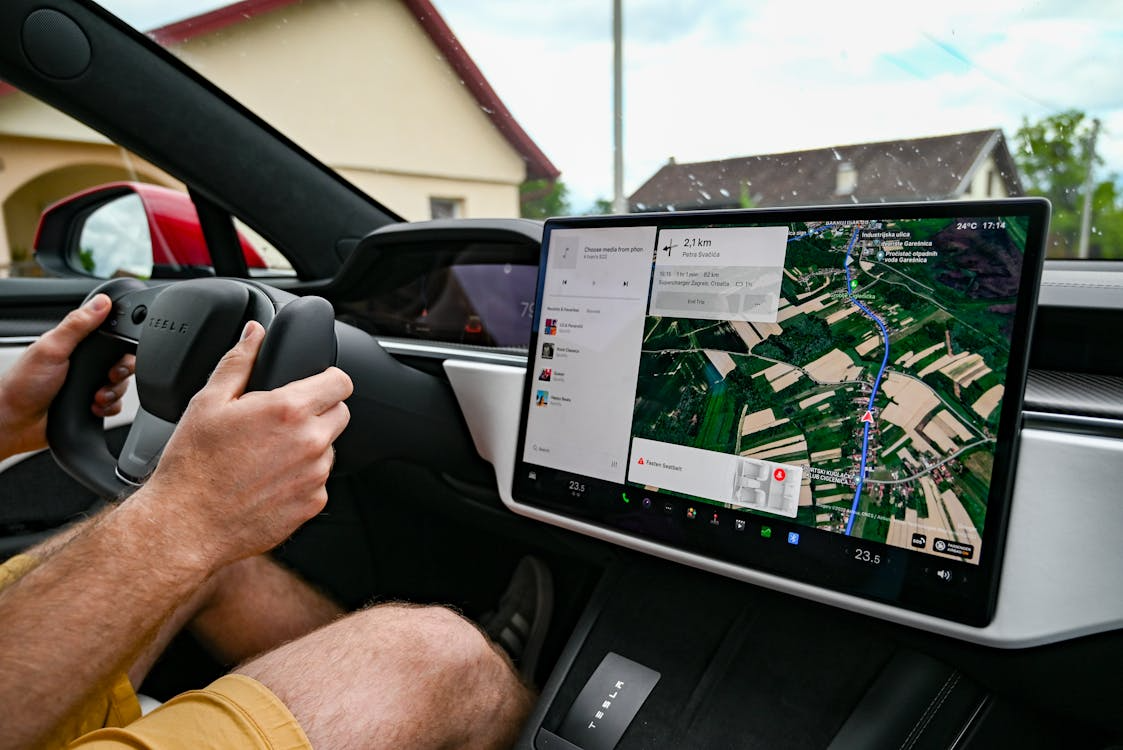
High-tech vehicles promise convenience, safety, and cutting-edge experiences. While these technologies offer real benefits, the unexpected costs of high-tech vehicles are becoming clearer.
In 2026, advanced driver assistance, large infotainment systems, and connected features will be common even in midrange cars.
Repair Costs Rise With Complexity
High-tech vehicles are expensive to fix when something goes wrong. Sensors, cameras, radar units, and electronic modules add layers of complexity to even minor repairs.
A minor collision that once required basic bodywork may now involve recalibration of multiple systems. These procedures require specialized tools and trained technicians, increasing labor costs. Even routine repairs can become unexpectedly expensive.
Explore The Hidden Cost of Advanced Safety Features to see how sensors increase repair bills.
Insurance Premiums Reflect Tech Risk
Insurance companies price risk based on repair costs and claim severity. High-tech vehicles often cost more to insure because their components are expensive and fragile.
Advanced headlights, embedded sensors, and large screens drive up claim payouts. In 2026, many drivers are surprised to see higher premiums tied directly to technology, not performance or engine size.
See Why Insurance Costs Are Rising Even for Safe Drivers to understand how technology affects insurance pricing.
Software Issues Create New Ownership Problems
Software-driven vehicles introduce problems that didn’t exist before. Glitches, frozen screens, connectivity failures, and system resets can disrupt daily use.
While updates may fix some issues, they can also introduce new ones. Owners may spend time troubleshooting software instead of simply driving. The cost here isn’t always financial; it’s frustration and lost time.
Subscription Fees Add Up Quietly
Many high-tech features now operate on subscription models. Navigation services, driver-assistance upgrades, remote access, and entertainment features may require monthly or annual payments.
These costs often feel small individually, but they accumulate over years of ownership. Buyers who expected features to be included long-term may find themselves paying repeatedly for functionality they assumed was permanent.
Learn The Rise of Subscription-Based Car Features to know more about recurring fees.
Out-of-Warranty Risks Are Higher
Once warranties expire, high-tech vehicles carry greater financial risk. Replacing screens, control modules, or battery-related components can cost thousands.
Unlike mechanical repairs, electronic failures are often all-or-nothing. In 2026, owners of aging high-tech vehicles face tougher decisions about whether repairs are worth the expense.
Limited Repair Options Increase Costs
Not all repair shops can service advanced systems. Many high-tech repairs require dealership visits or the services of certified technicians.
This limits competition and keeps prices high. Owners may face longer wait times and fewer alternatives when something breaks, especially in smaller markets.
For more on high-tech repair coverage, read What Car Dealers Don’t Explain About Extended Warranties.
Technology Depreciates Faster Than Hardware
High-tech features age quickly. What felt advanced at the time of purchase can feel outdated within a few years, affecting car resale value.
Buyers in the used car market may discount vehicles with aging tech, especially if software support is uncertain. Depreciation accelerates when technology becomes less relevant faster than the rest of the vehicle.
The Trade-Off Buyers Must Weigh
High-tech vehicles offer undeniable benefits, but they also shift ownership costs in less visible ways. Convenience often comes with long-term expense and complexity.
In 2026, savvy buyers evaluate not just what technology adds, but what it costs to maintain, insure, and live with over time. The most satisfying ownership experiences balance innovation with simplicity.