
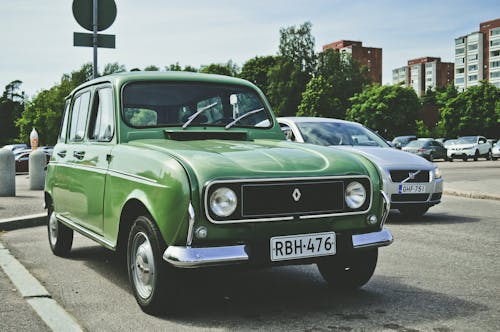
This return to retro design isn’t about recreating the past. It’s about reconnecting with emotional appeal in a market crowded with similar-looking vehicles.
Car design often moves in cycles, and in 2026, nostalgia is clearly back in style. Retro car design is returning as automakers borrow from their histories, reviving classic shapes and visual cues while pairing them with modern technology.
Why Nostalgia Resonates With Modern Buyers
Retro design taps into familiarity and emotion. Many buyers associate older vehicles with reliability, simplicity, or personal memories. In an era of rapid technological change, familiar styling provides comfort and identity.
For younger buyers, retro designs feel distinctive rather than dated. They stand out in traffic filled with aerodynamic crossovers and minimalist EVs. Nostalgia becomes a way to differentiate without relying on extreme or polarizing styling.
See Why Simpler Cars Are Starting to Win Back Drivers as buyers favor clarity.
Modern Technology Wrapped in Familiar Shapes
Today’s retro-inspired vehicles are not throwbacks mechanically. Underneath classic-inspired exteriors are modern platforms with advanced safety systems, efficient powertrains, and contemporary interiors.
This combination allows buyers to enjoy the visual charm of older designs without sacrificing convenience or reliability. The appeal lies in blending the emotional past with present-day expectations.
Simpler Design Feels Refreshing Again
After years of sharp angles, oversized grilles, and aggressive styling, many buyers are gravitating toward simpler forms. Rounded edges, clean lines, and balanced proportions create a sense of calmness and approachability.
Retro-inspired vehicles often emphasize these traits. Their designs feel intentional rather than forced, offering visual relief from trend-heavy experimentation. This simplicity also tends to age better, supporting long-term ownership.
Read The Most Polarizing Car Designs of the Past Decade to compare trend-heavy styling
Branding and Heritage Play a Bigger Role
Automakers with strong design heritage are leveraging it more intentionally. Reviving recognizable elements reinforces brand identity and reminds buyers of proven legacies.
Heritage design also builds trust. Vehicles that visually reference successful past models feel less risky, even if the technology underneath is new. In uncertain economic times, familiarity can influence purchase decisions.
Retro Design Isn’t Just About Looks
Interior design is also embracing retro influences. Analog-inspired gauges, physical controls, and straightforward layouts are reappearing—often paired with discreetly integrated digital displays.
This approach improves usability while reinforcing authenticity. Buyers who feel overwhelmed by touchscreen-heavy interiors often welcome this balance of old and new.
To see how timeless design encourages ownership, check The Vehicles Drivers Keep Longer Than Expected.
Why Retro Works Especially Well Right Now
In 2026, car buyers are more cautious, budget-conscious, and emotionally driven than in previous years. Retro design offers reassurance without feeling outdated.
It signals confidence rather than novelty. Instead of trying to predict the future visually, automakers are grounding designs in ideas that have already stood the test of time.
Learn Why Some Cars Age Better Than Others to understand why retro-inspired proportions stand out.
The Future of Retro-Inspired Vehicles
Retro design isn’t a passing trend. It’s a response to saturation. As vehicles become more technologically similar, design becomes a key differentiator again. In a crowded market, familiar visual cues help brands stand out while giving buyers something emotionally recognizable and reassuring to connect with.
Expect to see more subtle nods rather than complete recreations. The most successful retro designs don’t mimic the past; they reinterpret it. In 2026, looking back is proving to be one of the best ways forward.


