
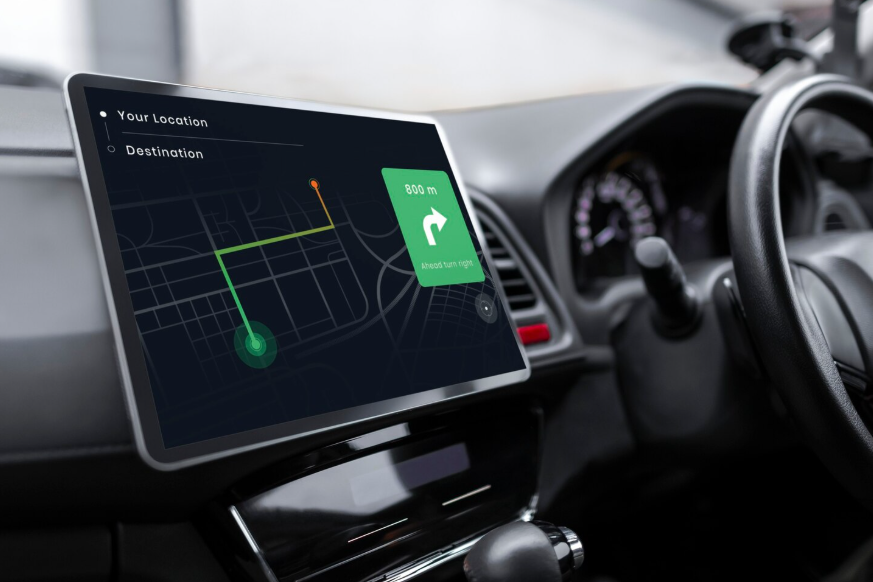
Dashboard screens have become one of the most visible symbols of modern cars. While these oversized screens are often marketed as cutting-edge upgrades, their growth reflects more profound shifts.
In 2026, the trend of dashboard screens getting bigger reflects deeper shifts in cost control, software strategy, and how automakers define value, with displays now stretching across entire dashboards.
Screens Replace Hardware and Reduce Complexity
One of the primary reasons dashboard screens continue to grow is efficiency. A large display can replace dozens of physical buttons, switches, and gauges. From a manufacturing standpoint, this simplifies production and reduces the number of unique parts required.
Instead of redesigning dashboards for every trim level, automakers can use the same screen hardware across multiple vehicles and differentiate features through software. This reduces tooling costs and allows faster updates. What appears to be a premium upgrade is often a result of streamlined engineering decisions.
Explore Why Automakers Are Ditching Physical Buttons to see how screens reduce interior complexity.
Bigger Screens Signal “More Car” to Buyers
For many consumers, screen size has become shorthand for modernity and value. Just as larger TVs and smartphones are associated with better experiences, larger dashboard screens suggest a more advanced vehicle.
Automakers lean into this perception. In a competitive market, a wide, glossy display stands out instantly on the showroom floor. It’s an easy feature to advertise and photograph, making it a powerful visual differentiator even when underlying vehicle changes are modest.
Infotainment Has Become Central to the Experience
Cars are no longer just transportation; they’re spaces where people spend hours each week. Navigation, music, podcasts, calls, messaging, and vehicle settings all flow through the infotainment system.
As these functions multiply, screens grow to accommodate them. Larger displays allow split-screen views, detailed maps, and customizable layouts. In theory, this improves usability by reducing menu depth—though execution varies widely between brands.
Check Electric Vehicles That Actually Feel Like Normal Cars for balance-focused design examples.
Software Monetization Encourages Bigger Displays
As vehicles become software platforms, screens become storefronts. Subscription features, app ecosystems, and paid upgrades all rely on clear, prominent interfaces.
Larger screens support richer visuals, making software feel more integral to the vehicle. This aligns with automakers’ push toward recurring revenue. The more central the screen, the easier it is to introduce new paid features over time.
Minimalist Design Favors Large Panels
Modern car interior design trends emphasize clean lines and uncluttered spaces. Large screens support this aesthetic by consolidating controls into a single surface.
Removing physical buttons creates a minimalist look that feels premium and futuristic. Designers favor screens because they allow visual simplicity even as functionality increases. By 2026, this design language had become nearly universal across all segments.
Usability and Safety Concerns Are Growing
Despite their appeal, large screens raise genuine concerns. Touch-based controls often require drivers to look away from the road, increasing distraction. Simple tasks, such as adjusting temperature or audio, can take longer without tactile feedback.
As screens grow, so does criticism. Drivers and safety advocates question whether bigger displays improve or hinder usability. Some automakers are responding by reintroducing physical controls for essential functions while keeping large screens for secondary tasks.
See The Hidden Cost of Advanced Safety Features for insight into how digital controls affect driver focus.
Bigger Isn’t Always Better
Not all screen growth improves the driving experience. Poor interface design, lag, glare, and software bugs can make large screens frustrating rather than helpful.
Drivers often care less about size than clarity, responsiveness, and ease of use. A well-designed, smaller screen can outperform a massive display with confusing menus. The industry is slowly learning that screen quality matters more than screen real estate.
To see how tech influences perceived modernity, read Are Self-Driving Features Getting Better or Just Louder?
What This Trend Says About Modern Cars
The rise of oversized dashboard screens reflects the evolution of cars. Vehicles are becoming digital platforms shaped as much by software strategy as by mechanical engineering.
In 2026, bigger screens symbolize progress, efficiency, and connectivity. However, they also highlight tension between innovation and usability. Whether this trend peaks or continues will depend on how well automakers balance technology with the realities of driving.