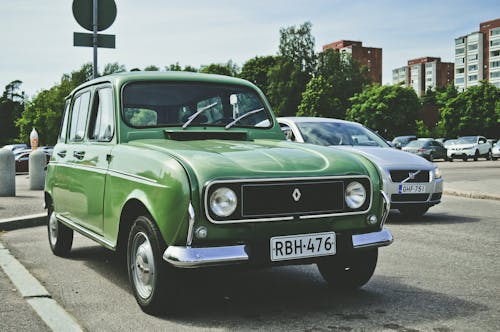

While trucks and SUVs remain popular, a growing number of drivers are intentionally downsizing and choosing smaller, more efficient vehicles that better match how they actually live and drive.
For years, trucks and SUVs symbolized practicality, power, and versatility. Bigger felt better, and higher seating felt safer. In 2026, why drivers are downsizing from trucks and SUVs reflects a shifting mindset.
Rising Ownership Costs Are Changing Priorities
The most immediate reason drivers are downsizing is cost. Trucks and large SUVs are expensive to buy, fuel, insure, and maintain. As vehicle prices and interest rates remain high in 2026, monthly payments on large vehicles are pushing budgets to their limits.
Fuel costs compound the issue. Even with improved efficiency, larger vehicles still consume more fuel than smaller alternatives. For drivers who rarely tow, haul, or go off-road, those extra costs increasingly feel unjustified.
To see how larger vehicles increase ownership costs, check Why Insurance Costs Are Rising Even for Safe Drivers.
Many Owners Don’t Use the Extra Capability
Lifestyle reassessment plays a significant role in downsizing decisions. Many truck and SUV owners realize they rarely use the features that justified the purchase in the first place.
Beds go empty, third rows stay folded, and towing capacity remains theoretical. When daily driving consists of commuting, errands, and school drop-offs, the benefits of oversized vehicles become less apparent. Downsizing becomes a practical correction rather than a sacrifice.
Explore Why Compact Cars Are Slowly Disappearing to see how preferences are reshaping size choices.
Urban and Suburban Driving Favors Smaller Vehicles
Traffic congestion, tight parking, and crowded cities make large vehicles harder to live with. Maneuvering a full-size truck through urban environments can be stressful and inconvenient.
Smaller vehicles offer easier parking, better visibility in tight spaces, and reduced stress in daily driving. As more people live in urban and suburban areas, vehicle size becomes a quality-of-life consideration rather than a status symbol.
Improved Safety Has Leveled the Playing Field
One reason buyers gravitated toward larger vehicles was perceived safety. While size still matters in certain collisions, modern safety technology has narrowed the gap.
Advanced driver-assistance systems, improved crash structures, and better visibility have made smaller vehicles safer than ever. In 2026, many drivers feel confident choosing downsized vehicles without compromising protection.
Read The Fastest-Growing Car Features Buyers Didn’t Ask For to understand how safety tech influences size choices.
Downsizing Doesn’t Mean Downgrading
Today’s compact and midsize vehicles offer features once reserved for premium segments. Comfort, infotainment, and driver-assistance systems are widely available across all sizes.
Hybrids and efficient gas vehicles deliver strong performance without bulk. For many drivers, downsizing feels like optimization rather than a loss. It’s about choosing the right tool rather than the biggest one.
Environmental and Efficiency Considerations
Environmental awareness continues to influence buying decisions. Smaller vehicles produce fewer emissions and require fewer resources to manufacture and operate.
Even drivers who aren’t motivated primarily by sustainability appreciate the efficiency benefits. Downsizing aligns financial savings with reduced environmental impact, making it an easy choice for cost-conscious buyers.
See How Ride-Sharing Changed the Way People View Car Ownership to understand why efficiency matters.
What This Trend Signals About the Market
The move away from oversized vehicles doesn’t signal the end of trucks and SUVs. It signals a recalibration. Buyers are becoming more intentional, choosing vehicles that match their real usage rather than their aspirational identity.
In 2026, downsizing reflects maturity in car buying. It’s about aligning vehicles with reality rather than image. For many drivers, smaller makes more sense, and the industry is beginning to respond.