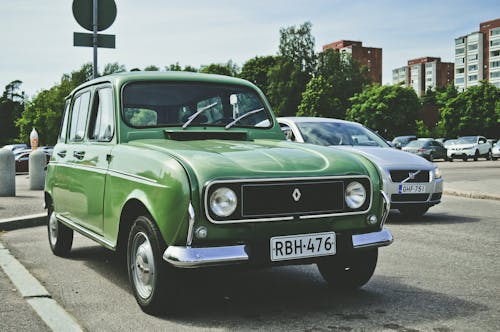
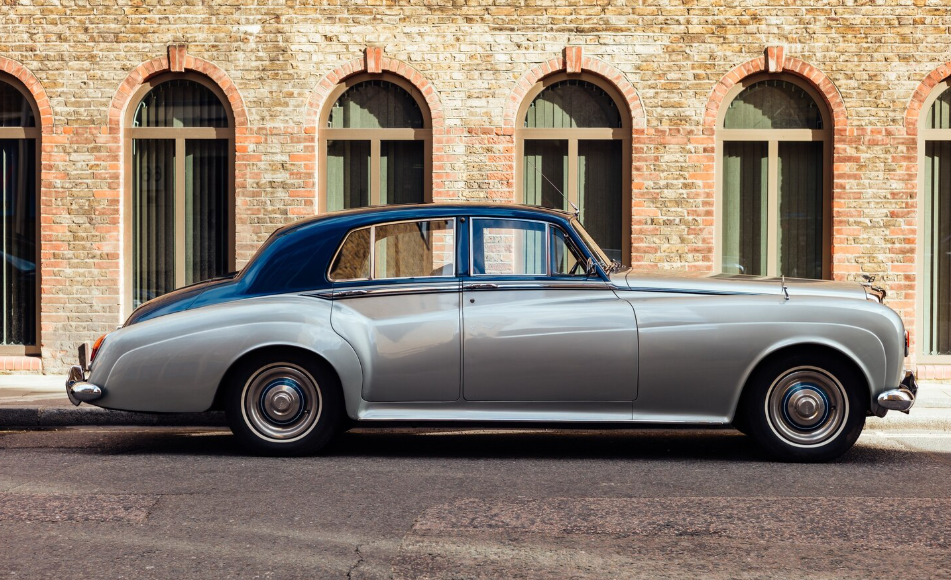
Some vehicles still feel solid, relevant, and desirable years after they’re built, while others seem outdated far too quickly.
In 2026, this difference is easier to spot than ever. How a car ages isn’t random. It’s shaped by design choices, engineering priorities, and how well a vehicle was built to handle real-world use over time.
Timeless Design Outlasts Trend-Driven Styling
Cars that age well usually avoid extreme styling trends. Clean lines, balanced proportions, and restrained details tend to remain appealing long after launch.
Trend-heavy elements, such as oversized grilles, unusual lighting shapes, or exaggerated body lines, often date vehicles quickly. What looks bold in year one can feel awkward by year five. Timeless design doesn’t chase attention; it earns longevity.
See The Most Polarizing Car Designs of the Past Decade to explore how bold styling can age poorly.
Simple Interiors Stay Relevant Longer
Interior aging is just as important as exterior design. Cars with straightforward layouts, physical controls, and logical ergonomics tend to feel more usable over time than those built around complex interfaces.
Touchscreen-heavy cabins often age poorly as software evolves and responsiveness slows. In contrast, intuitive controls and straightforward instrumentation remain functional even as technology advances. In 2026, usability matters more than novelty.
Check What Makes a Car Feel Outdated Faster Than It Should to understand how interiors lose relevance.
Build Quality Reveals Itself Over Time
Aging exposes weaknesses. Rattles, peeling trim, worn buttons, and sagging seats all signal cost-cutting decisions that seemed invisible at purchase.
Cars built with durable materials and tight assembly maintain their integrity longer. Owners notice when interiors hold up, doors still close solidly, and components age gracefully. Build quality becomes obvious only after years of use.
To understand why classic styling is coming back, read The Return of Retro Car Design.
Proven Powertrains Reduce Long-Term Risk
Vehicles with well-established engines and transmissions typically age better than those with experimental or first-generation technology.
Unproven systems may deliver innovation, but they also introduce uncertainty. In 2026, buyers increasingly value powertrains with proven longevity, as repair costs are high and predictability matters.
Technology That Doesn’t Dominate the Experience
Cars that integrate technology subtly tend to age more gracefully than those that rely heavily on it. When screens fail, software becomes unsupported, or interfaces feel dated, tech-heavy vehicles can quickly feel obsolete.
Vehicles that still function well without relying on constant updates tend to maintain their relevance longer. Technology should support driving—not define it.
Maintenance Accessibility Matters
How easy a car is to maintain affects how it ages. Readily available parts, reasonable repair costs, and widespread service support all contribute to longevity.
Vehicles that are expensive or difficult to repair tend to age poorly, regardless of their design. Owners become reluctant to invest, accelerating the decline. In contrast, maintainable cars remain viable longer.
Explore When Repairing an Old Car Stops Making Financial Sense to compare upkeep costs.
Brand Philosophy Influences Longevity
Manufacturers known for conservative vehicle engineering and incremental improvement often produce vehicles that age better. These brands prioritize durability over novelty.
Cars built with long-term ownership in mind reflect that philosophy. In 2026, buyers increasingly recognize which brands design for endurance rather than attention.
Aging Well Is About Intentional Choices
Cars that age well weren’t lucky; they were designed with restraint, durability, and real-world use in mind.
As ownership cycles lengthen, the ability to age gracefully becomes a competitive advantage. In 2026, the best cars aren’t the ones that impress immediately. They’re the ones that still feel right years later.