These car design trends for 2026 aren’t just cosmetic. They reveal how manufacturers are responding to shifting buyer expectations, regulation, and long-term ownership realities.
Car design in 2026 is less about shock value and more about confidence. After years of extreme styling experiments and tech-first interiors, automakers are recalibrating.
The newest vehicles arriving on roads this year reflect a blend of digital ambition, physical restraint, and a growing awareness of how people actually live with their cars on a day-to-day basis.
Softer, More Purposeful Exterior Styling
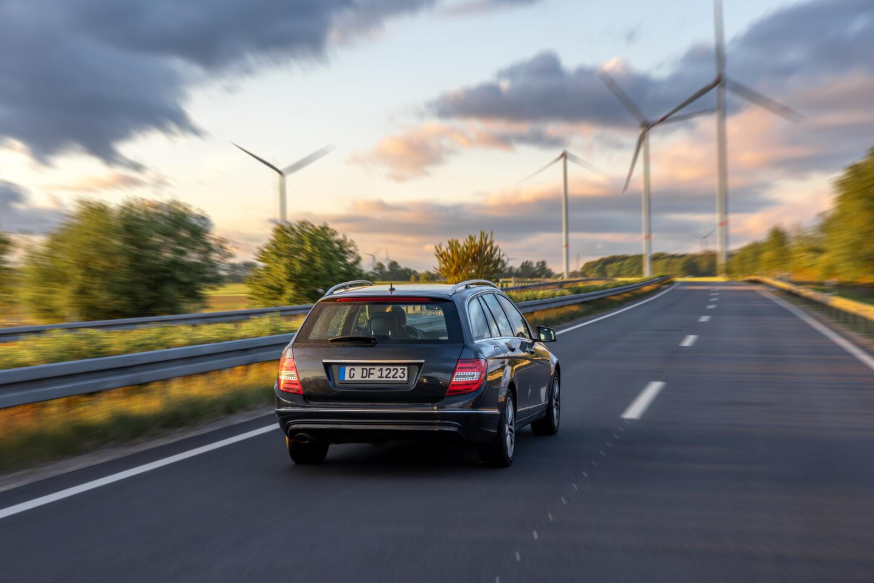
One of the most noticeable changes in 2026 vehicles is the move away from hyper-aggressive exteriors. Oversized grilles, sharp angles, and exaggerated vents are giving way to smoother lines and more cohesive shapes. Automakers are prioritizing aerodynamics and efficiency, especially as fuel economy standards tighten and EV range remains a selling point.
Designers are also aiming for timelessness. Vehicles are being styled to age gracefully rather than chase fleeting trends. Cleaner silhouettes, restrained lighting signatures, and simpler surface treatments help cars look modern without feeling dated in five years. This approach appeals to buyers who tend to keep their vehicles longer and prioritize resale value.
Explore The Return of Retro Car Design to see why timeless shapes are regaining appeal.
Lighting as a Signature Feature
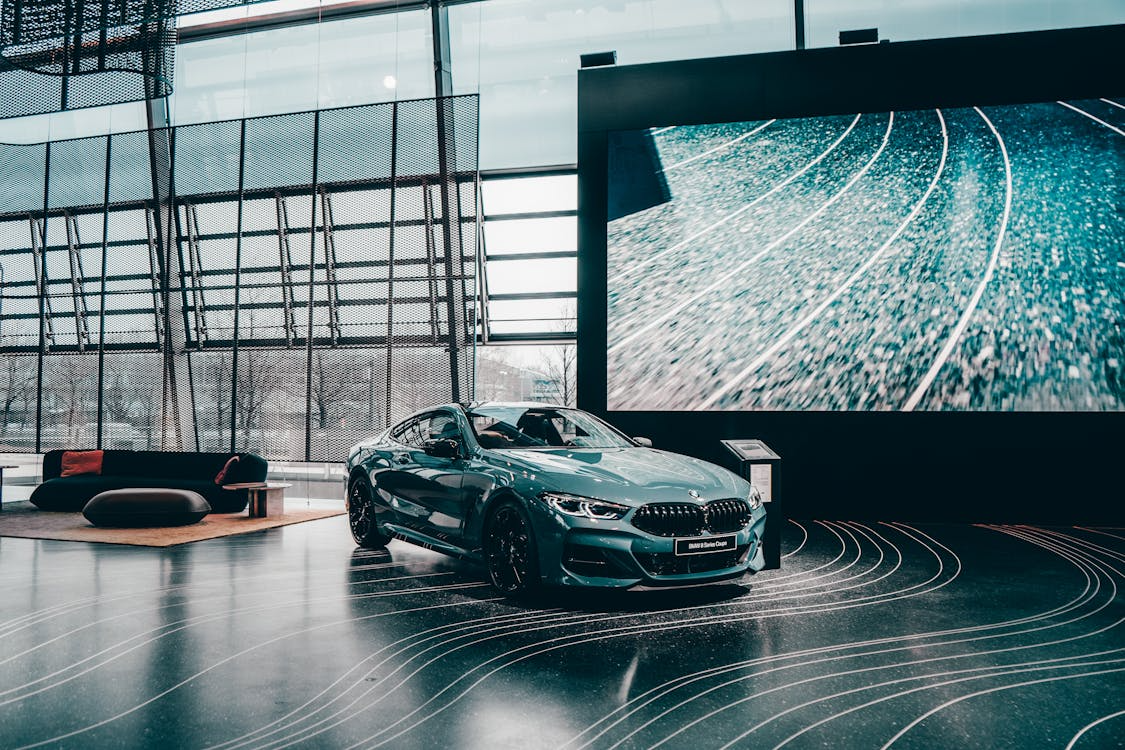
Lighting design for cars has become one of the most powerful branding tools in 2026. Thin LED headlights, continuous light bars, and animated welcome sequences now define a vehicle’s personality as much as its grille once did. Automakers are using lighting to signal premium quality, even on mainstream models.
Interior lighting is evolving as well. Ambient light strips are no longer just decorative. They’re functional. Color changes now communicate drive modes, alerts, and safety cues. This subtle feedback helps reduce driver distraction while still delivering a high-tech feel that buyers expect from newer vehicles.
Interiors Designed Around Screens and Pushback
Large digital displays remain central to modern interiors, but 2026 shows signs of moderation. Screens are still prominent, yet more thoughtfully integrated into dashboards rather than dominating them. Automakers are learning that bigger isn’t always better when it comes to usability.
There’s also a quiet return of physical controls for essential functions, such as climate and volume. Driver feedback and safety concerns are influencing these decisions. The goal is balance: digital flexibility paired with tactile reliability. Interiors are being designed to feel intuitive rather than overwhelming.
Check out What Makes a Car Feel Outdated Faster Than It Should to understand what’s trending.
Materials That Feel Premium Without Flash
In 2026, luxury is being redefined. Instead of glossy surfaces and chrome accents, designers are favoring soft-touch materials, matte finishes, and sustainable fabrics. Recycled textiles, vegan leather alternatives, and responsibly sourced trims are becoming common across price segments.
These materials aren’t just about sustainability. They also reduce glare, fingerprints, and wear. Buyers increasingly associate quality with comfort and durability rather than visual excess. Interiors now aim to evoke a sense of calm, warmth, and livability, particularly for commuters and families.
Don’t miss The Most Anticipated Vehicle Releases Coming This Year to see how new launches shape design.
Subtle Tech Integration Over Sci-Fi Aesthetics
Automakers are learning that most drivers don’t want their cars to feel like experimental prototypes. In 2026, technology is being embedded quietly into the design instead of being showcased loudly. Sensors are hidden, interfaces are simplified, and automation is less visually intrusive.
This shift reflects a broader cultural move toward “invisible tech.” Features are expected to work seamlessly in the background rather than constantly demand attention. Vehicles that feel intuitive and familiar are winning over buyers who value confidence over novelty.
Explore The Fastest-Growing Car Features Buyers Didn’t Ask For to spot design “upgrades” that affect usability.
Design That Reflects Real Ownership
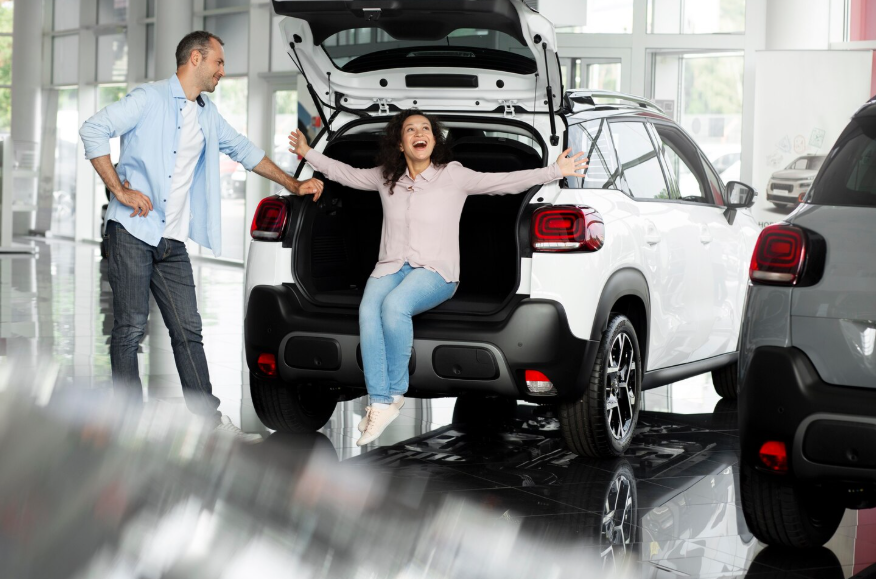
Perhaps the most significant trend of all is realism. Cars in 2026 are being designed for actual ownership, not just showroom appeal. Storage solutions are smarter, cabins are easier to clean, and layouts consider pets, kids, and long commutes.
Automakers are acknowledging that style and practicality must coexist. Design choices are being tested against daily use, maintenance costs, and long-term satisfaction. The result is a generation of vehicles that feel intentional, livable, and better aligned with how people really drive.