
This shift is reshaping how drivers experience ownership, convenience, and even expectations around longevity.
Modern vehicles no longer feel isolated from the rest of the tech world. In 2026, car technology, similar to smartphones, is reshaping how drivers experience ownership, convenience, and even expectations around vehicle longevity. Cars increasingly behave like smartphones on wheels—connected, updatable, and influenced by everyday digital habits.
Over-the-Air Updates Are the New Norm
One of the most apparent smartphone influences is the rise of over-the-air software updates. Instead of visiting dealerships for minor fixes or feature upgrades, vehicles now receive updates remotely, much like phones do overnight.
These updates can enhance navigation, refine driver-assistance features, or introduce new interface elements long after purchase. For drivers, this means cars can improve over time rather than feeling outdated. For automakers, it reduces service costs and allows quicker responses to bugs or regulatory changes.
Explore Why Automakers Are Betting Big on Software Updates to see how post-purchase changes are the standard.
App Ecosystems Inside the Vehicle
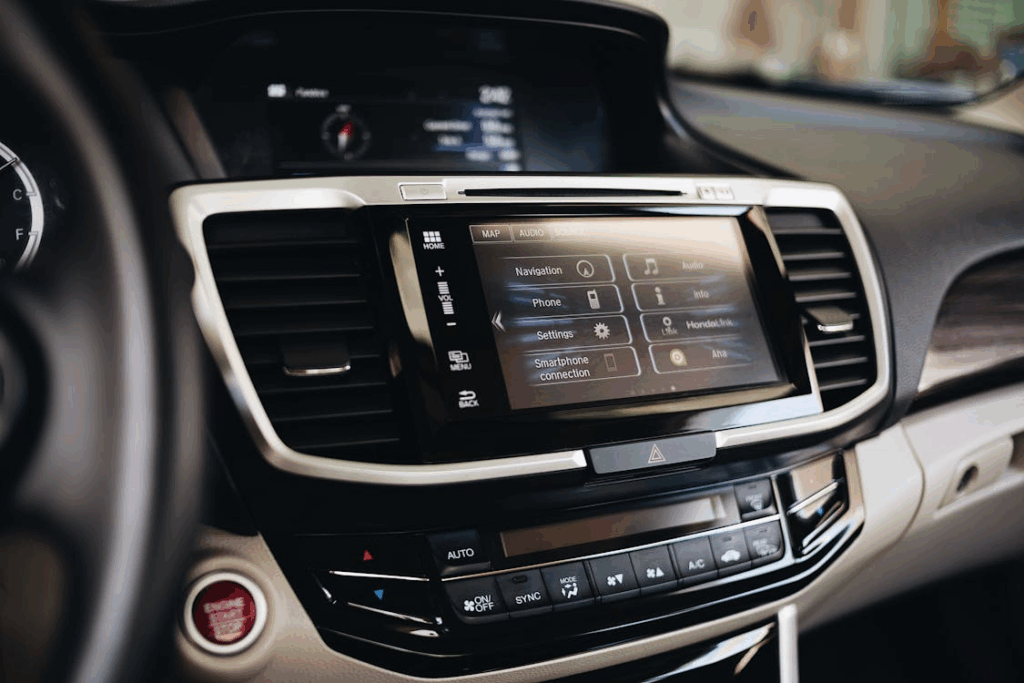
Cars are increasingly built around app-style ecosystems. Infotainment systems now support downloadable apps for navigation, music streaming, podcasts, and vehicle management. This mirrors the way smartphones centralize services into a single interface.
Automakers are also developing companion apps that allow drivers to lock doors, check battery levels, locate vehicles, or start climate systems remotely. Ownership now extends beyond the physical car into a digital environment that follows drivers wherever they go.
Interface Design Inspired by Mobile UX
Touchscreen layouts inside vehicles now resemble smartphone interfaces, with tiles, swipe gestures, and customizable home screens. Designers borrow heavily from mobile user experience principles, prioritizing clarity, responsiveness, and visual hierarchy.
This familiarity lowers the learning curve for new vehicles. Drivers can navigate menus intuitively because the logic mirrors what they already know. However, the challenge lies in adapting these interfaces to driving conditions where attention must remain on the road.
Read Why Dashboard Screens Keep Getting Bigger as touchscreen layouts follow smartphone logic.
Personalization Through User Profiles
Just as smartphones adapt to individual users, vehicles now support driver profiles that remember preferences. Seat positions, climate settings, audio choices, and even drive modes can automatically adjust based on who’s behind the wheel.
This personalization enhances comfort, especially in households where vehicles are shared. It also reinforces the idea that cars are becoming extensions of digital identity rather than static machines.
Data, Connectivity, and Always-On Expectations
Smartphones have conditioned users to expect constant connectivity, and vehicles are following suit: built-in data connections power navigation, real-time traffic updates, voice assistants, and emergency services.
With this connectivity comes increased data collection. Automakers gather information on driving habits, system usage, and vehicle performance. While this enables more innovative features, it also raises privacy questions that many consumers are only beginning to consider.
See Electric Vehicles That Actually Feel Like Normal Cars to understand how familiarity offsets some designs.
The Downsides of Phone-Like Cars
Borrowing from smartphones isn’t without drawbacks. Software bugs, interface lag, and update-related glitches can frustrate drivers in ways that feel familiar but more serious than phone issues.
There’s also the risk of planned obsolescence. As apps and software evolve, older vehicles may lose support, just as older phones do. This challenges traditional expectations around how long cars should remain fully functional.
Compare The Unexpected Costs of Owning High-Tech Vehicles before committing to software-driven cars.
Why the Trend Is Accelerating
As vehicles become more software-driven, the smartphone model offers a proven blueprint. It enables faster innovation, deeper personalization, and ongoing customer engagement.
In 2026, cars are no longer just transportation; they’re platforms. The more they resemble smartphones, the more automakers can adapt, monetize, and evolve them. Whether drivers see this as progress or a complication depends on how well technology serves the act of driving itself.