Automakers present this shift as progress, but the reality is more complicated, blending cost savings, tech ambition, and growing tension with drivers who miss tactile control.
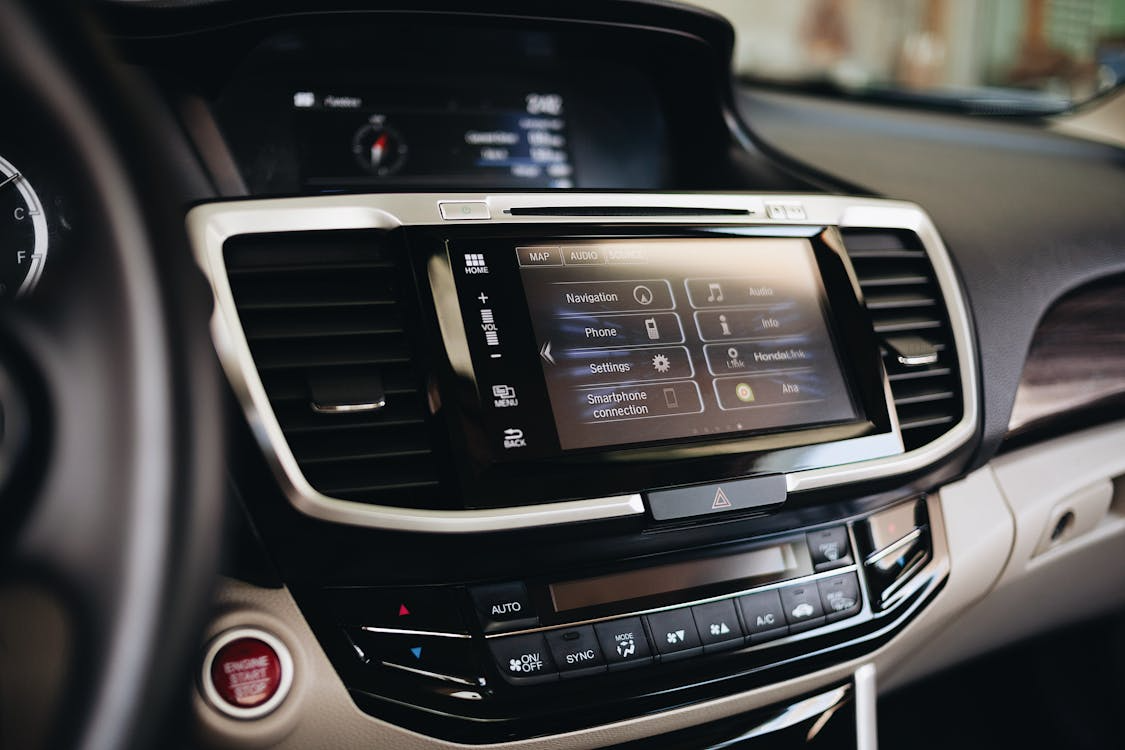
If you’ve sat inside a new car recently and wondered where all the buttons went, you’re not imagining it. Across nearly every segment, from entry-level sedans to luxury SUVs, cars without physical buttons are becoming the norm, replacing tactile controls with touchscreens and software-driven menus.
Cost-Cutting Disguised as Innovation
One of the least discussed reasons automakers are ditching physical buttons is manufacturing efficiency. Traditional buttons require separate molds, wiring, testing, and long-term parts support. A touchscreen, by comparison, consolidates dozens of functions into a single piece of hardware.
From a production standpoint, fewer physical components mean lower costs and faster assembly. Software-based controls also reduce the need for redesigning interiors every model year. Instead of retooling dashboards, automakers can push updates digitally. What’s often framed as futuristic design is, in many cases, a streamlined business decision.
See Why Automakers Are Betting Big on Software Updates to see how digital control simplifies production.
The Smartphone Effect on Car Interiors
Consumer familiarity with smartphones has heavily influenced modern vehicle design. Automakers assume drivers are comfortable navigating menus, swiping screens, and adjusting settings digitally because they already do so on their phones.
This logic makes sense on paper, but cars introduce very different conditions. Drivers interact with vehicles while moving, often in unpredictable environments. Unlike a phone, a car demands attention to the road. Translating mobile interface habits directly into automotive design has created friction between convenience and safety.
Explore How Car Tech Is Borrowing Ideas From Smartphones to understand why cars now behave like app platforms.
Software Control Means Ongoing Revenue
Touchscreen-heavy interiors also allow automakers to monetize features long after purchase. When controls are software-based, features can be locked, unlocked, or modified remotely. This enables subscription models for heated seats, advanced driver aids, or performance modes.
Physical buttons limit this flexibility. Once a feature is installed mechanically, it’s harder to restrict access. Software interfaces provide manufacturers with greater control over how features are sold, updated, and priced throughout a vehicle’s lifespan.
Learn The Hidden Cost of Advanced Safety Features to see how sensors raise repair complexity.
Safety and Usability Concerns Are Growing
As screens have taken over dashboards, concerns about driver distraction have intensified. Simple actions like adjusting climate settings or changing audio sources now require navigating menus instead of pressing a familiar button.
Studies and real-world feedback suggest that touchscreens increase eyes-off-road time. Without tactile feedback, drivers must visually confirm each interaction. This has led to growing criticism from safety advocates and even regulatory attention in some regions.
In response, some automakers are quietly reintroducing physical controls for critical functions. The industry appears to be learning that total reliance on touchscreens may have gone too far.
Design Flexibility and Cleaner Interiors
From a visual standpoint, removing buttons creates a cleaner, more minimalist interior. Large screens allow designers to develop uncluttered dashboards that feel modern and premium. This aesthetic has strong appeal in showrooms and marketing materials.
Minimalism also helps unify interior designs across global markets. Instead of customizing button layouts for different regions, automakers can rely on software localization. The result is a uniform look that scales efficiently across multiple models.
Read Why Dashboard Screens Keep Getting Bigger for the cost and design logic behind screen-first interiors.
The Backlash Is Shaping What Comes Next
Driver pushback is becoming impossible to ignore. Surveys consistently show that many buyers prefer physical controls for essential functions. Even tech-forward consumers are questioning whether everything needs to be screen-based.
As a result, the next phase of interior design may be hybrid systems, such as screens paired with smartly placed buttons and knobs. Automakers aren’t abandoning touchscreens entirely, but they are reconsidering how far they should go in replacing physical interaction.
The shift away from buttons wasn’t just about modernizing cars. It was about efficiency, revenue, and perceived innovation. Now, real-world use is forcing automakers to rethink whether less tactile control truly makes for a better driving experience.