For many drivers, the hesitation around electric vehicles isn’t about range or charging; it’s about feel. Electric vehicles that feel like normal cars are now changing that perception.
Early EVs often leaned hard into futuristic styling, unusual controls, and sci-fi aesthetics, making them feel more like tech experiments than everyday cars.
In 2026, that approach is changing. Automakers are increasingly designing electric vehicles that feel familiar, comfortable, and easy to transition into for drivers coming from gas-powered cars.
Moving Away From the “Spaceship” Look
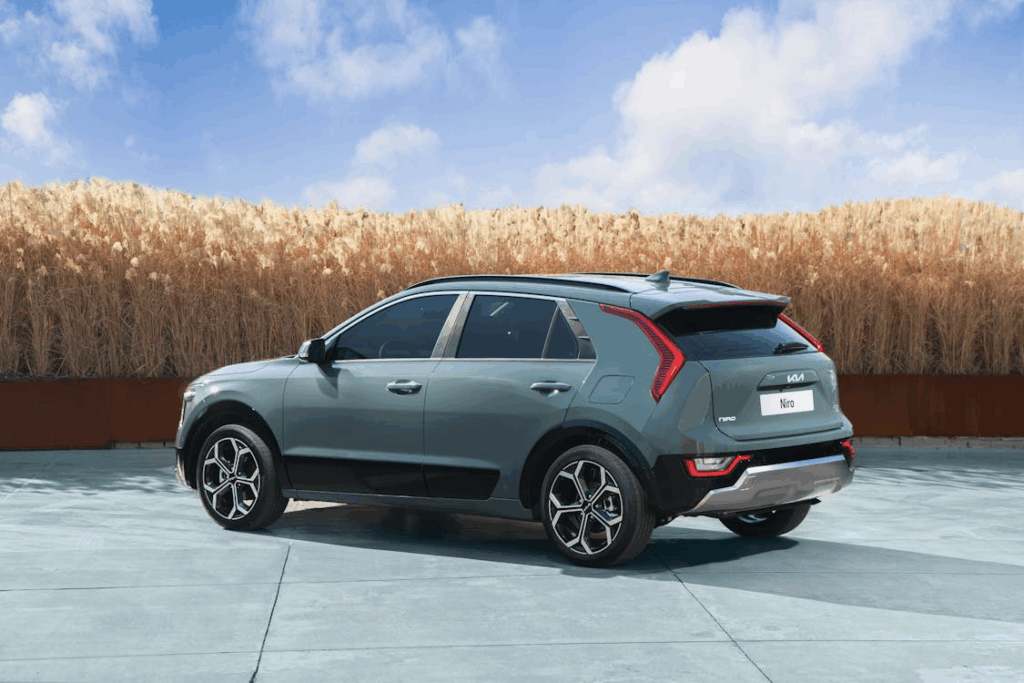
One of the most significant shifts in EV design is visual restraint. Instead of exaggerated shapes, hidden door handles, and unconventional proportions, many new electric models closely resemble their gas or hybrid counterparts. This familiarity lowers psychological barriers for buyers who want electrification without standing out.
Automakers have learned that blending in can be a selling point. Vehicles that look “normal” reassure buyers that they’re getting a practical car, not a lifestyle statement. Subtle EV cues, like closed grilles or discreet badges, replace bold styling meant to scream innovation.
Consider The Biggest Car Design Trends Taking Over in 2026 to spot what “normal” styling looks like now.
Familiar Driving Dynamics Matter
Early EVs emphasized instant torque and aggressive acceleration as headline features. While impressive, that responsiveness sometimes felt abrupt or unnatural to drivers used to gradual throttle behavior. In newer models, automakers are tuning power delivery to feel smoother and more predictable.
Steering, braking, and suspension are also being calibrated to mimic traditional driving experiences. Regenerative braking systems, once jarring, are now more refined or adjustable. This allows drivers to choose settings that resemble conventional braking rather than forcing a one-pedal driving style.
Learn from The Fastest-Growing Car Features Buyers Didn’t Ask For as EV makers rethink forced habits.
Interiors That Prioritize Comfort Over Novelty
Inside the cabin, the shift toward normalcy is even more pronounced. Instead of radical layouts and oversized center screens, many EVs now feature dashboards that look and function like those in gas vehicles. Physical controls for climate and audio are making a quiet return.
Seats, storage, and visibility are being designed with everyday use in mind. Drivers want cupholders where they expect them, clear sightlines, and intuitive controls. These choices make EVs feel less like learning a new device and more like stepping into a familiar environment.
Check Why Dashboard Screens Keep Getting Bigger to understand design shifts.
Sound, Feedback, and the Driving Experience
Silence was once marketed as a luxury EV feature, but total quiet can feel unsettling. Automakers are now adding subtle sound cues and feedback to help drivers feel connected to the vehicle. Artificial acceleration sounds and pedestrian alerts are being tuned to feel natural rather than gimmicky.
Ride quality has also improved. Battery placement lowers the center of gravity, but suspension tuning is being refined to avoid the stiff, heavy feel some early EVs had. The goal is comfort first, performance second, especially for commuters and families.
EV Platforms That Don’t Force Compromise
Many automakers now build EVs on platforms designed to support both electric and hybrid powertrains. This flexibility allows designers to retain familiar proportions and layouts rather than forcing dramatic changes to accommodate batteries.
These shared platforms also help keep costs down, which matters to buyers comparing EVs directly to gas models. When an electric vehicle feels normal and is priced competitively, the decision becomes easier and less ideological.
Read Are Self-Driving Features Getting Better or Just Louder? to understand how tech promises affect driving.
Why Normal Might Be the Future of EVs
As electric vehicles move into the mainstream, novelty is losing its appeal. Buyers want reliability, comfort, and familiarity, qualities traditionally associated with well-built gas cars. The EVs gaining traction in 2025 are the ones that fit seamlessly into daily life.
Instead of asking drivers to adapt to radically new experiences, automakers are meeting them where they are. The result is a new generation of electric vehicles that don’t demand compromise or lifestyle change, just a different way of powering a car that still feels like a car.