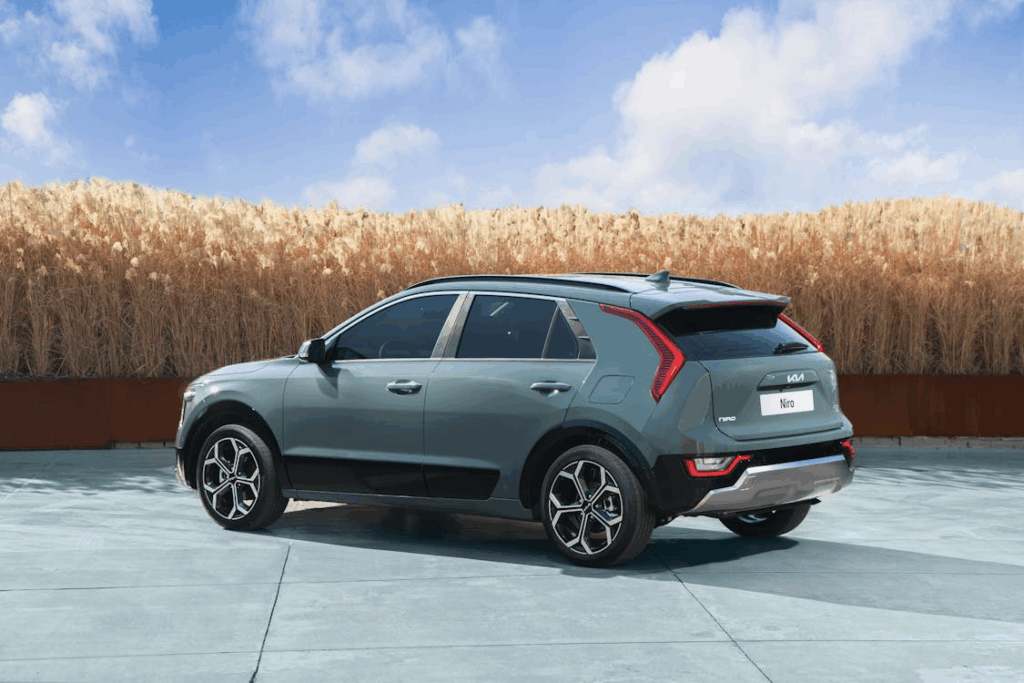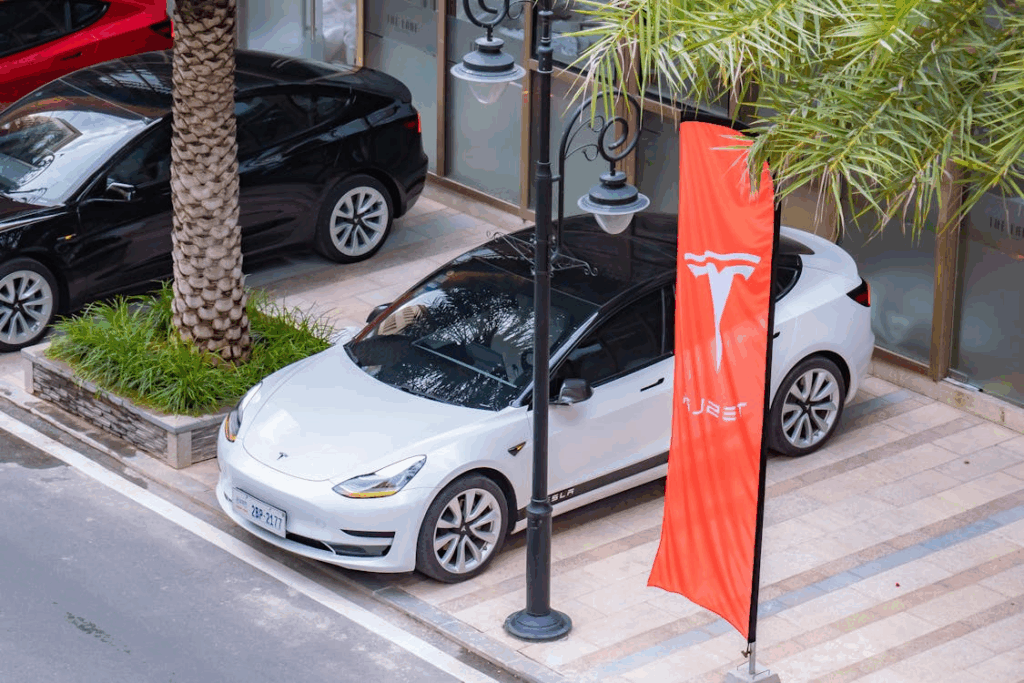

While these systems undeniably improve safety, they also introduce costs that many buyers don’t fully understand until after ownership begins.
Advanced safety features are now among the biggest selling points of modern vehicles. In 2026, the hidden cost of advanced safety features is becoming harder to ignore, as systems like automatic emergency braking, blind-spot monitoring, lane-keeping assistance, and adaptive cruise control move from optional to expected.
Safety Tech Is No Longer Simple Hardware
Traditional safety features, such as seatbelts, airbags, and crumple zones, were primarily mechanical and passive in nature. Today’s systems rely on cameras, radar sensors, lidar, control modules, and complex software that work together in real-time.
These components are expensive to manufacture and even more expensive to replace. A minor fender bender that once required a bumper replacement can now involve recalibrating sensors and replacing camera modules. What appears to be a minor repair on the surface often conceals significant technical labor underneath.
Check What Makes a Car Feel Outdated Faster Than It Should to see why tech-heavy cars age financially faster.
Repair Costs Rise Even After Minor Accidents
One of the most direct hidden costs of advanced safety features shows up at the repair shop. Sensors embedded in bumpers, windshields, and side mirrors are vulnerable in low-speed collisions.
After repairs, many systems require precise recalibration to function correctly. This process requires specialized equipment and trained technicians, which drives up labor costs. Even replacing a windshield can cost far more if it houses cameras used for driver-assistance systems.
For owners, this means higher out-of-pocket repair bills, especially for those without comprehensive insurance coverage.
Explore The Unexpected Costs of Owning High-Tech Vehicles to see how modern systems increase expenses.
Insurance Premiums Reflect the New Reality
Insurance companies are factoring advanced safety tech into premium calculations. While some features can reduce accident frequency, the cost of repairs often outweighs those benefits.
Vehicles equipped with complex driver-assistance systems tend to be more expensive to insure. Insurers know that claims involving sensor damage are costly, and premiums reflect that risk. Drivers may assume that safety features will lower their insurance costs, only to find that the opposite is true.
This trend is especially noticeable in urban areas, where minor collisions are more common.
Read Why Insurance Costs Are Rising Even for Safe Drivers to understand how safety tech pushes premiums.
Replacement Parts Aren’t Easily Swapped
Unlike traditional components, advanced safety systems are often vehicle-specific. Sensors are calibrated to exact positions, angles, and software versions. This limits the use of aftermarket parts and increases reliance on manufacturer-approved replacements.
As vehicles age, parts availability and pricing can become concerns. Older models may face delays or higher costs as technology evolves and support shifts to newer platforms. This complicates long-term ownership planning.
Subscriptions and Software Dependencies
Some safety features in 2026 are tied to software subscriptions or ongoing updates. Advanced driver assistance may require active subscriptions to maintain full functionality.
If a subscription lapses, certain features may become degraded or deactivated. This introduces a recurring car feature cost that buyers don’t always factor into purchase decisions. Safety, once assumed to be permanent, can now depend on continued payments and software support.
Used Car Buyers Face Extra Complexity
Advanced safety tech adds another layer of complexity to the used car market. Buyers must consider whether systems are fully functional, properly calibrated, and still supported by software updates.
A used vehicle with malfunctioning sensors can be expensive to fix. Sellers may not even be aware of underlying issues until a diagnostic scan reveals them. This uncertainty affects resale value and buyer confidence.
See What ‘Low Mileage’ Really Means in Used Car Listings when advanced safety systems are involved.
Balancing Safety and Ownership Reality
There’s no question that advanced safety features save lives. However, the actual cost extends beyond the sticker price. Repairs, insurance premiums, subscriptions, and long-term maintenance all factor into ownership.
For buyers in 2026, understanding these hidden costs is essential. Safety technology is valuable, but it’s no longer free after purchase. Knowing what you’re paying for helps ensure those features deliver protection without unexpected financial surprises.