
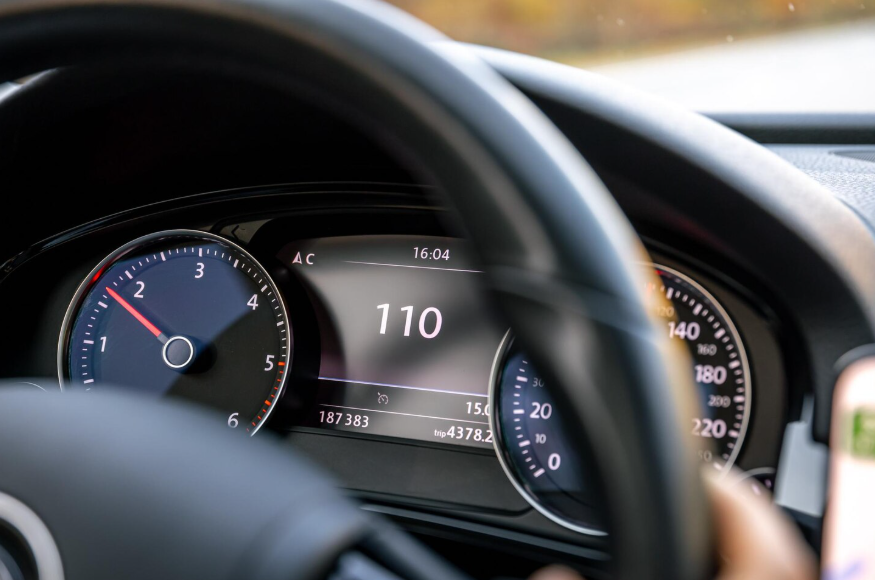
A car’s condition, usage patterns, and maintenance history often matter far more than the number on the odometer, and misunderstanding this can lead buyers to overpay or overlook better options.
“Low mileage” is one of the most potent phrases in used car listings. It instantly signals value, longevity, and smart ownership. In 2026, however, mileage alone tells only part of the story.
Mileage Is Context, Not a Verdict
Mileage should be viewed as context rather than a judgment. A five-year-old car with 30,000 miles may seem ideal, but how those miles were accumulated matters.
Highway miles tend to be easier on vehicles than short, stop-and-go city driving. Frequent cold starts, short trips, and idling cause more wear than steady highway use. Two cars with identical mileage can be in very different mechanical conditions depending on how they were driven.
Read What Makes a Car Feel Outdated Faster Than It Should to see why usage patterns matter.
Age and Mileage Must Be Evaluated Together
Low mileage on an older vehicle isn’t always a positive sign. A car that sits unused for extended periods may develop issues related to seals, fluids, tires, and battery health.
Rubber components can dry out, fuel systems can degrade, and brakes can corrode from inactivity. In 2026, buyers should be cautious of unusually low mileage paired with long periods of storage without documentation of proper maintenance.
Maintenance History Matters More Than the Number
A well-maintained vehicle with higher mileage can be a safer bet than a neglected low-mileage car. Regular oil changes, fluid services, brake maintenance, and timely repairs preserve longevity.
Service records provide insight into how a car was treated. A higher-mileage car with consistent maintenance often delivers more predictable ownership than a low-mileage vehicle with gaps in its history.
Explore The Vehicles Drivers Keep Longer Than Expected to see how maintenance extends vehicle lifespan.
Modern Cars Handle Mileage Better Than Before
Advances in engineering have changed what mileage means. Many modern vehicles are designed to exceed 150,000 miles with proper care comfortably.
In 2026, mileage thresholds that once felt intimidating are less relevant. What matters more is whether maintenance kept pace with usage. Buyers who focus solely on mileage may overlook solid vehicles that still have many dependable years ahead.
Low Mileage Can Inflate Prices Unfairly
Sellers often price low-mileage vehicles aggressively, assuming mileage justifies a premium. In some cases, that premium isn’t supported by condition or ownership history.
Buyers should assess whether the price difference is reasonable. Paying thousands more for lower mileage may not be worthwhile if overall condition, reliability, and expected lifespan are similar.
To avoid overpaying, learn The Best Times of Year to Buy Different Types of Vehicles.
Vehicle Type Changes the Equation
Mileage expectations vary by vehicle type. Trucks and well-built SUVs are often designed for higher usage, while some performance or luxury vehicles experience more wear per mile.
Understanding the intended use of a vehicle helps interpret mileage realistically. A “high-mileage” commuter car may still be well within its functional lifespan, while a low-mileage performance car may have experienced harder use.
Inspections Reveal What Mileage Can’t
No mileage figure replaces a professional inspection. A mechanic can identify wear patterns, leaks, suspension condition, and signs of neglect that mileage alone cannot explain.
In 2026, with repair costs high, inspections protect buyers from false assumptions. A clean inspection often matters more than an impressively low odometer reading.
Check How to Tell If a Used Car Listing Is Too Good to Be True for red flags to look out for.
What Smart Buyers Should Focus On
Mileage is a valuable data point, but it’s not the whole story: condition, maintenance, usage, and price alignment matter more.
In today’s used market, “low mileage” should prompt questions, not conclusions. Buyers who look beyond the number make better decisions, avoid overpaying, and choose vehicles that deliver real long-term value.