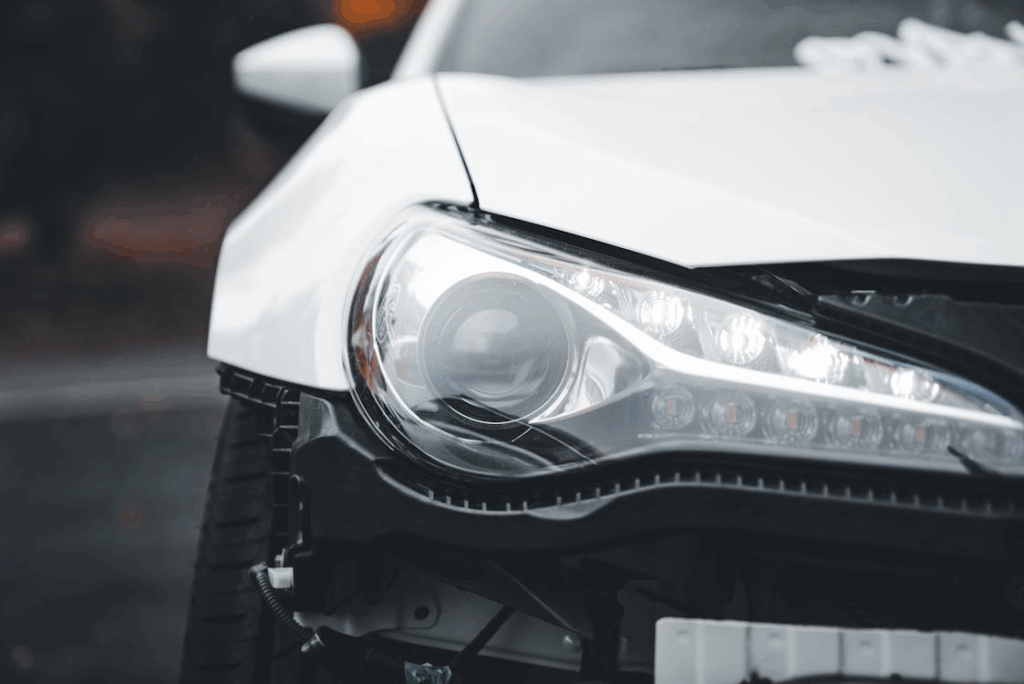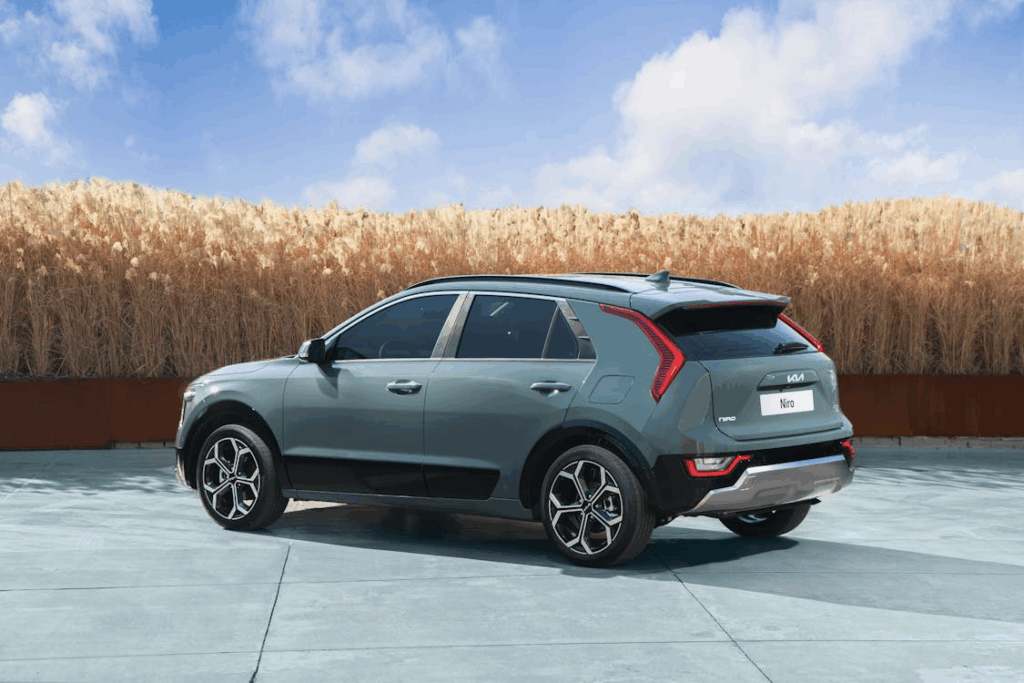
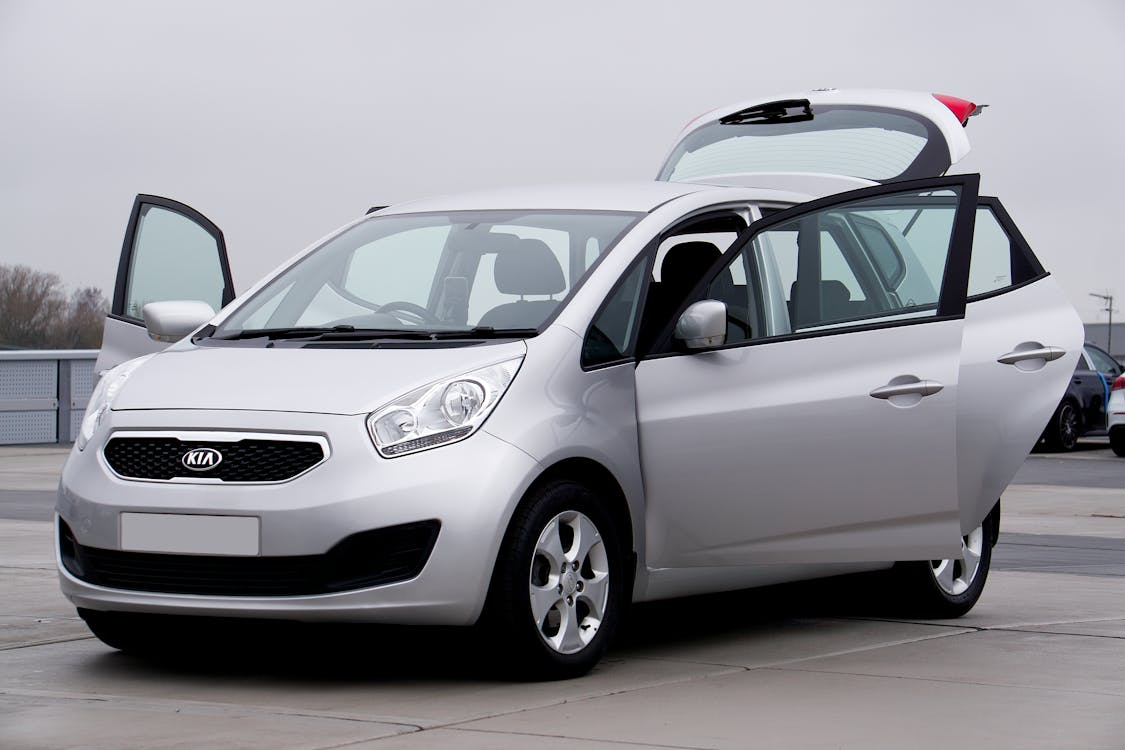
Today’s most appealing practical cars that aren’t boring are designed to impress without trying too hard.
For a long time, practicality and excitement were treated as opposites. Sensible cars were reliable and efficient, but dull.
In 2026, that stereotype is finally fading. Automakers are proving that everyday usability doesn’t have to come at the expense of style, comfort, or driving enjoyment.
Design That Balances Restraint and Personality
Modern practical cars are embracing clean, confident styling instead of flashy gimmicks. Subtle body lines, well-proportioned shapes, and thoughtful details create visual interest without screaming for attention.
Rather than relying on oversized grilles or aggressive angles, these vehicles communicate confidence through balance. They look good in everyday settings, such as parking lots, neighborhoods, and offices, without feeling anonymous or overly conservative.
Explore The Biggest Car Design Trends Taking Over in 2026 to see why restraint is replacing excess.
Interiors Focused on Comfort and Clarity
Inside, practicality shines through an intelligent layout rather than excess. Controls are intuitive, materials feel durable but refined, and everything has a clear purpose.
Seats prioritize comfort for long drives, cabins are quiet, and visibility is strong. Instead of overwhelming drivers with screens and menus, these interiors make daily use easy. The result is a calm driving environment that still feels modern and well thought out.
See The Fastest-Growing Car Features Buyers Didn’t Ask For and why simplicity now feels premium.
Driving Dynamics That Feel Effortless
Practical doesn’t mean lifeless behind the wheel. Many of today’s best everyday cars are tuned for smooth, predictable driving that feels confident rather than numb.
Responsive steering, well-calibrated transmissions, and balanced suspension setups make daily driving enjoyable without demanding attention. These cars aren’t built for racetracks. However, they make commutes, errands, and road trips feel less like work.
Efficiency Without Compromise
Fuel efficiency remains a cornerstone of practicality, but in 2026, it no longer comes with significant trade-offs. Hybrids, efficient gas engines, and refined transmissions deliver strong mileage without sacrificing performance or comfort.
Drivers appreciate vehicles that save money quietly. Fewer pump stops and predictable operating costs contribute to satisfaction without dominating the ownership experience.
Check out Why Hybrid Vehicles Are Having a Quiet Comeback as drivers chase savings.
Smart Use of Technology
Technology in practical cars works best when it fades into the background. Driver-assistance features enhance safety without constant alerts, and infotainment systems are responsive rather than distracting.
The goal isn’t novelty; it’s reliability. Features that work consistently earn trust, and trust is what keeps practical cars from feeling boring over time.
Ownership Experience Matters More Than Image
Cars that avoid boredom do so by being easy to live with. Strong reliability, reasonable maintenance costs, and good resale value all contribute to long-term satisfaction.
When a vehicle consistently meets their needs without frustration, drivers develop a sense of attachment. That sense of confidence and ease creates its own kind of enjoyment that’s rooted in dependability rather than excitement.
Learn Why “Reliable” Is Becoming the New Luxury to understand what keeps practical cars satisfying.
Why This Category Is Growing
As buyers become more cost-conscious and realistic, they’re prioritizing vehicles that fit their lives rather than their aspirations. Practical cars that still feel good to own strike that balance.
In 2026, the most successful vehicles aren’t chasing extremes. They’re proving that being sensible doesn’t mean being soulless. For many drivers, that’s the most compelling combination of all.