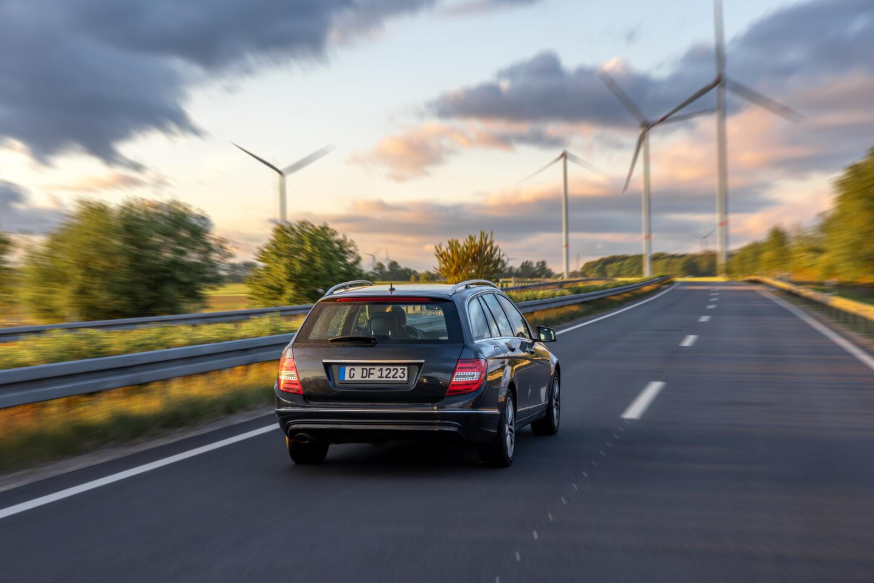

The gap between promise and real-world performance has become one of the most debated issues in modern car tech.
Self-driving technology has been “almost ready” for years. As vehicles roll into driveways in 2026, self-driving car features are promoted more aggressively than ever—hands-free driving modes, advanced driver assistance systems, and increasingly bold autonomy claims. Yet many drivers remain unsure whether these systems are truly improving or simply becoming more aggressive in their marketing.
What Self-Driving Really Means Today
Despite dramatic language, no consumer vehicle sold today is fully self-driving. Most systems fall under advanced driver assistance, combining adaptive cruise control, lane centering, and automated braking. These features are designed to assist, not replace, the driver.
The confusion comes from branding. Terms like “hands-free,” “autopilot,” or “full self-driving” imply autonomy that doesn’t actually exist. In practice, drivers must remain attentive and ready to take control at any moment. The technology is evolving, but its limits are often buried in fine print rather than highlighted in ads.
Check out How Car Tech Is Borrowing Ideas From Smartphones to sell capability.
Incremental Improvements Behind the Scenes
Self-driving features are improving in subtle but meaningful ways. Lane centering is smoother, adaptive cruise reacts more naturally to traffic flow, and emergency braking systems are better at detecting pedestrians and cyclists.
Sensor fusion, combining cameras, radar, and, sometimes, lidar, has improved reliability under ideal conditions. Software updates allow automakers to refine behavior without changing hardware. These advances make daily driving less stressful, especially on highways, even if full autonomy remains out of reach.
Explore Why Automakers Are Betting Big on Software Updates to learn why post-purchase updates matter.
Where the Systems Still Struggle
Real-world conditions expose the weaknesses of current systems. Construction zones, faded lane markings, heavy rain, snow, and unpredictable human behavior still confuse automated driving features. Drivers often report sudden disengagements or inconsistent responses that require immediate intervention.
Urban environments pose the biggest challenge. Complex intersections, cyclists, pedestrians, and local driving norms are complex for algorithms to interpret. This is where the promise of self-driving collides most sharply with reality.
Compare feature hype with real costs in The Hidden Cost of Advanced Safety Features.
Marketing Volume Versus Practical Value
Automakers face intense competition, and self-driving tech has become a headline-grabbing differentiator. As a result, marketing often emphasizes capability over caution. Demo videos show ideal conditions, not everyday chaos.
This creates unrealistic expectations. When systems fail to live up to the hype, drivers lose trust not only in autonomy features but also in the brand itself. Some consumers now approach self-driving claims with skepticism, viewing them as sales tools rather than genuine breakthroughs.
The Safety Debate Is Intensifying
Supporters argue that even imperfect systems can reduce accidents by helping to prevent distracted or fatigued drivers. Critics counter that overconfidence in automation may lead to complacency, thereby increasing risk when drivers rely too heavily on systems that still require supervision.
Regulators are paying closer attention. In several regions, agencies are examining how these features are named, marketed, and explained to buyers. Clearer standards may emerge as incidents and complaints accumulate.
See why simpler cabins are trending in Why Simpler Cars Are Starting to Win Back Drivers.
What Drivers Should Expect Going Forward
In 2026, self-driving car features are best viewed as evolving co-pilots rather than chauffeurs. They can make driving easier, smoother, and safer in specific scenarios, but they are not substitutes for human judgment.
The technology is improving, but the surrounding noise is growing faster. For drivers, the most effective approach is to understand what these systems can and cannot do, disregard flashy claims, and view autonomy as a form of assistance, not authority.