
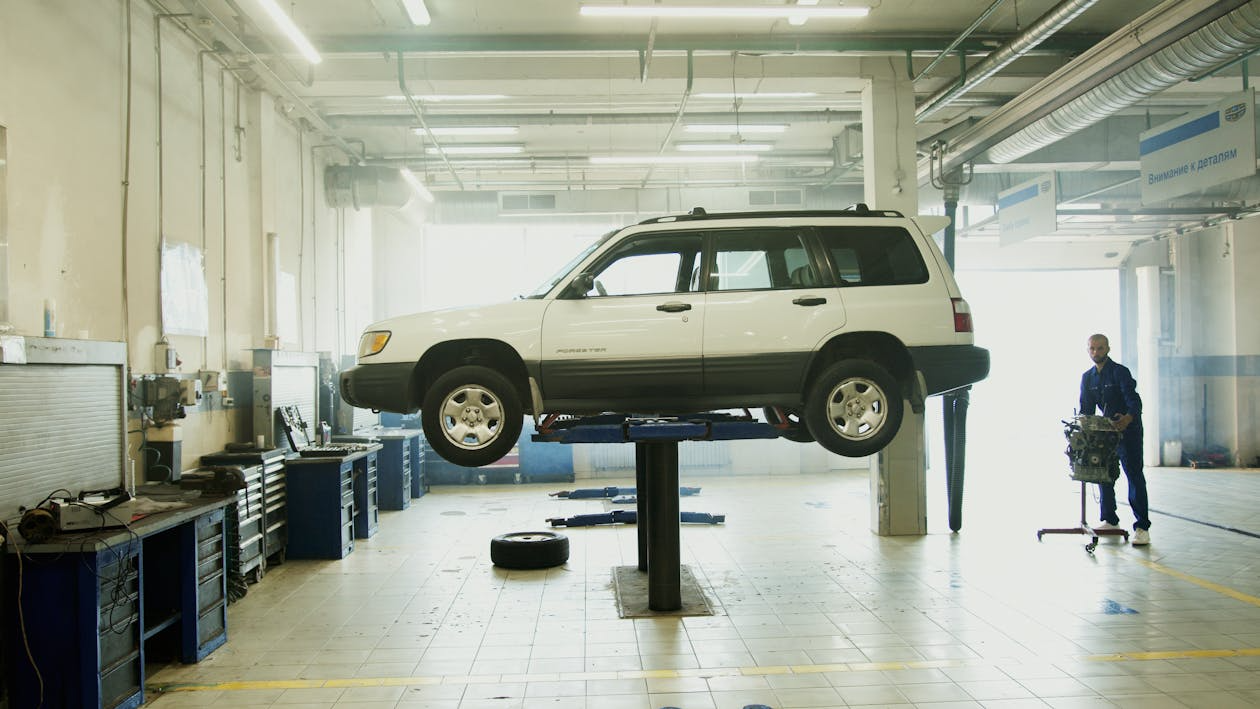
The answer isn’t just about age: it’s about economics, reliability, and opportunity cost.
Keeping an older car running can feel like a badge of honor. Many drivers take pride in avoiding car payments and maximizing the mileage of their vehicles.
In 2026, however, rising repair costs and more complex vehicle systems are forcing owners to ask a difficult question: when to stop repairing an old car before costs outweigh reliability and peace of mind.
The Repair-to-Value Ratio Matters Most
A common rule of thumb is comparing the cost of a repair to the vehicle’s current market value. If a single repair exceeds 50% of the car’s value, it’s a serious warning sign.
In today’s market, even modest repairs can quickly reach that threshold. Transmission failures, engine issues, and electronic system repairs can be costly, potentially running into thousands of dollars. When a vehicle’s resale value is already low, investing heavily rarely makes financial sense, especially if the repair doesn’t significantly extend the car’s lifespan.
Review The Unexpected Costs of Owning High-Tech Vehicles to see how repair complexity raises ownership costs.
Frequent Repairs Signal a Bigger Problem
One expensive repair doesn’t always mean it’s time to give up on a car. The real issue arises when repairs become frequent. If you’re visiting the mechanic multiple times a year, costs add up, not just in money, but in time and stress.
Recurring issues often indicate systemic wear rather than isolated failures. Suspension components, cooling systems, and electrical parts tend to fail in clusters as vehicles age. At that point, repairs stop being maintenance and start becoming a cycle.
Compare The Real Cost Difference Between Gas, Hybrid, and EV Ownership to see how replacement costs stack up.
Modern Repair Costs Have Changed the Equation
In 2026, cars, even older ones, are more complex than they appear. Electronic control modules, sensors, and integrated systems increase diagnostic and labor costs.
What once might have been a simple mechanical fix can now involve software resets or component recalibration. These hidden car repair complexities make older vehicles more expensive to keep on the road than owners expect, especially when parts availability becomes limited.
Reliability Affects Daily Life, Not Just Finances
Breakdowns carry indirect costs that don’t show up on repair bills. Missed work, rental cars, towing, and lost time all affect quality of life.
If a vehicle can no longer be trusted for daily transportation, its financial value drops even further. Reliability has a real economic impact, especially for drivers who depend on their car for commuting or family responsibilities.
Explore What Makes a Car Feel Outdated Faster Than It Should to see how aging tech impacts decisions.
Comparing Repairs to Replacement Costs
Many owners hesitate to replace a car because of the monthly payments. However, comparing repair costs to total ownership costs provides a clearer perspective.
A newer vehicle may come with higher upfront costs, but improved reliability, warranty coverage, and fuel efficiency can offset those costs over time. The goal isn’t to avoid spending money; it’s to spend it more predictably.
Read Why Compact Cars Are Slowly Disappearing to see how today’s options affect replacement decisions.
Emotional Attachment Can Cloud Judgment
Sentimental value often keeps people repairing cars longer than makes sense. While emotional attachment is understandable, it shouldn’t override practical considerations.
A car that drains savings or causes constant stress may cost more emotionally than replacing it. Recognizing this bias helps owners make clearer decisions.
When Letting Go Is the Smarter Move
In 2026, repairing an old car stops making sense when costs become unpredictable, reliability declines, and repairs cost more than the vehicle’s value. The wisest decision isn’t always the cheapest in the moment; it’s the one that reduces long-term financial and mental strain.
Letting go doesn’t mean failure. It means recognizing when a vehicle has reached the end of its practical usefulness and choosing stability over sunk costs.