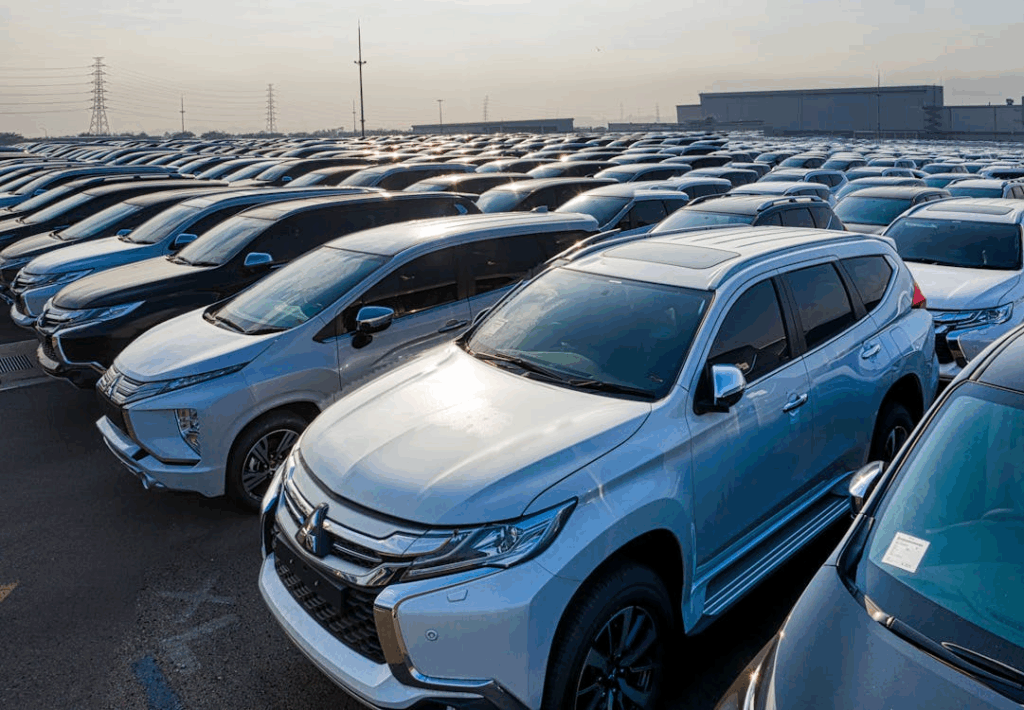
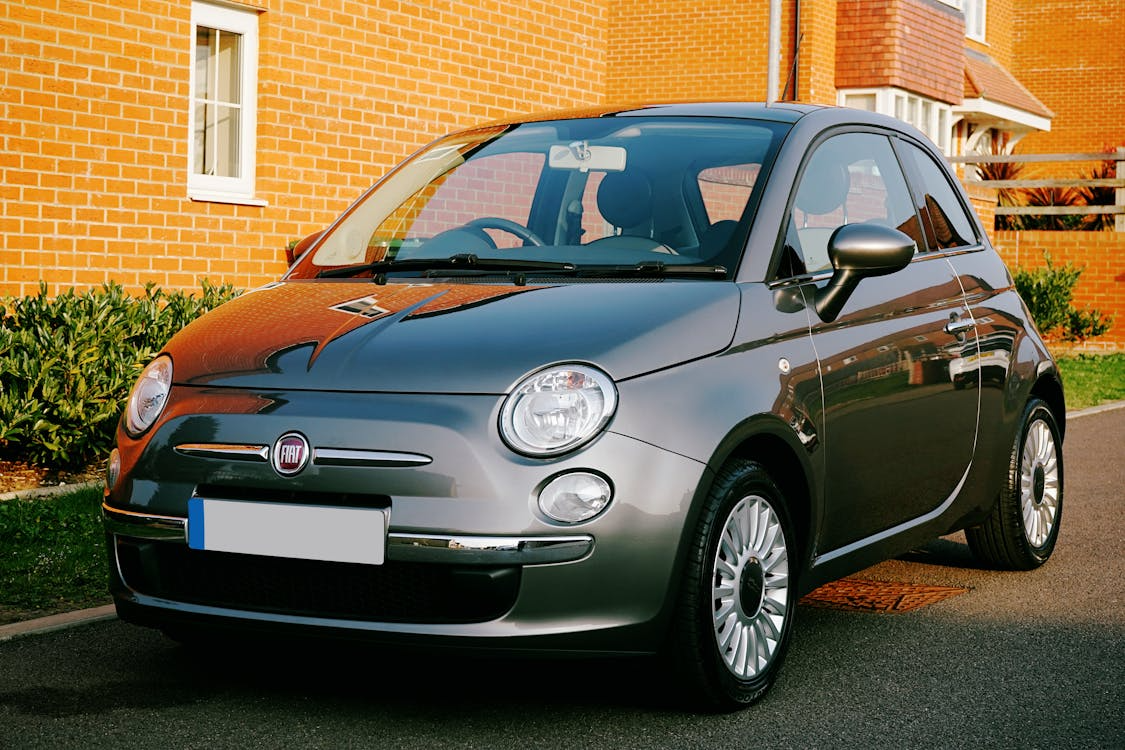
Compact cars once defined affordable, efficient transportation. They were easy to park, inexpensive to fuel, and accessible to first-time buyers. In 2026, however, why compact cars are disappearing is no longer a mystery. They’re steadily vanishing from dealership lots as buyer preferences, rising costs, and automaker economics collide.
Buyers Are Choosing Crossovers Instead
The most visible reason compact cars are disappearing is the explosive popularity of small crossovers. These vehicles often cost only slightly more than compact sedans but offer higher seating positions, flexible cargo space, and an image that buyers perceive as more versatile.
For many consumers, crossovers feel like a better value. They handle daily commuting just as well as compact cars while offering extra room for family, pets, or hobbies. As buyers migrate upward, demand for traditional compacts continues to weaken.
Explore How Ride-Sharing Changed the Way People View Car Ownership to understand shifting demands.
Thin Profit Margins Hurt Automakers
Compact cars operate on slim margins. They’re price-sensitive, heavily discounted, and expensive to redesign to meet modern safety and emissions standards. From a business standpoint, automakers earn far more profit selling SUVs and trucks.
As development costs rise, manufacturers must decide where to invest. Many choose to discontinue low-margin compact cars rather than update them for new regulations. Even strong sellers can struggle to justify their place in a lineup when profits are modest.
See Why Entry-Level Cars Are Getting More Expensive for context on pricing pressure.
Safety and Tech Add Cost Quickly
Modern vehicles require advanced safety systems, larger screens, and connectivity features that buyers now expect. Adding these technologies increases costs regardless of vehicle size.
For compact cars, these added expenses push prices upward, shrinking the gap between small cars and larger vehicles. Once a compact car approaches midsize pricing, buyers often question the compromise in space and flexibility.
Learn The Hidden Cost of Advanced Safety Features to know why modern tech pushes prices up.
Regulations Favor Larger Vehicles
Regulatory structures unintentionally disadvantage compact cars. Fuel economy and emissions standards are often scaled by vehicle footprint, giving larger vehicles more leeway.
This means automakers can more easily meet regulations with larger vehicles, especially when combined with mild-hybrid systems. Compact cars face stricter efficiency targets relative to their size, making compliance more difficult and costly.
Changing Buyer Demographics
Younger buyers, once the core market for compact cars, are delaying car ownership altogether. Rising insurance costs, urban living, and access to ride-sharing reduce demand for entry-level vehicles.
When younger buyers do enter the market, they often want vehicles that can handle multiple life stages. Crossovers feel more future-proof than compact sedans, even if they’re rarely used to full capacity.
Check Why Hybrid Vehicles Are Having a Quiet Comeback to see how these segments survive market shifts.
Used Market Pressure
The used-car market also affects sales of new compacts. Reliable older compacts are plentiful and affordable, reducing the urgency to buy new ones. Buyers looking for budget transportation often find better value in a used compact than in a new one at a higher price point.
This dynamic further weakens demand for new models, reinforcing automakers’ decisions to exit the segment.
What Comes Next for Compact Cars
Compact cars aren’t gone, but they’re becoming niche products rather than mainstream staples. Some may survive as hybrids or electric vehicles, where efficiency and urban usability align better with their size.
In 2026, the decline of compact cars reflects broader shifts in the economy and lifestyle. Buyers aren’t rejecting small cars outright. They’re choosing vehicles that feel more adaptable to modern life. For automakers, that reality is reshaping showrooms one segment at a time.