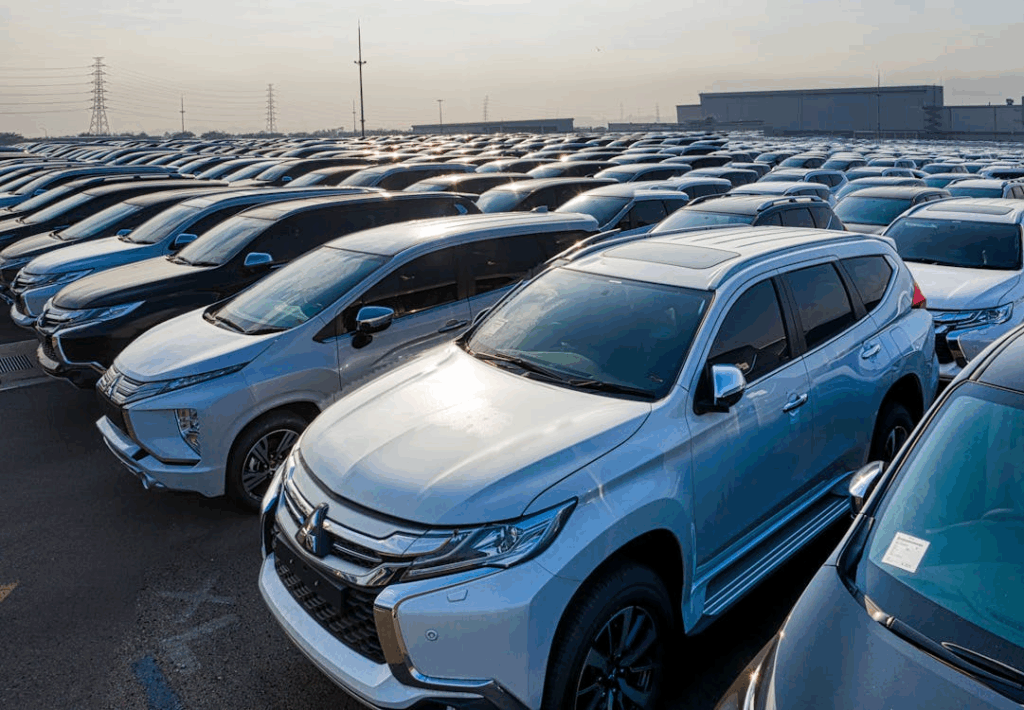

For many drivers, they’re becoming the most realistic answer to rising fuel costs, charging concerns, and long-term ownership uncertainty.
For years, hybrid vehicles felt like a transitional technology—important, but temporary. Fully electric cars were positioned as the inevitable endgame, while hybrids quietly faded into the background.
In 2026, that narrative has shifted. The reason why hybrid vehicles are making a comeback is regaining momentum, not through flashy marketing, but through practical appeal.
Hybrids Fit Real-World Driving Habits
One of the biggest advantages hybrids have is familiarity. They operate much like traditional gas vehicles, requiring no changes to daily routines. There’s no need to plan charging stops, install home chargers, or worry about range on long trips.
For drivers who commute, run errands, and occasionally travel longer distances, hybrids deliver efficiency without lifestyle disruption. This makes them especially attractive to buyers who are curious about electrification but not yet ready to fully commit to EV ownership.
See Electric Vehicles That Actually Feel Like Normal Cars to compare how hybrids fit for everyday driving.
Fuel Savings Without Charging Anxiety
Gas prices remain unpredictable, and while EVs eliminate fuel costs, they introduce new concerns around charging access and infrastructure reliability. Hybrids strike a middle ground by significantly reducing fuel consumption while still relying on gas when needed.
Modern hybrid systems are far more refined than early versions. Engines shut off seamlessly, electric motors assist without drama, and efficiency gains are noticeable without feeling intrusive. Drivers experience fewer pump stops without the pressure of finding a charger.
Lower Ownership Risk Compared to EVs
Long-term ownership questions loom large for EV buyers. Battery degradation, replacement costs, and rapidly evolving technology create uncertainty about resale value. Hybrids feel like a safer bet to many consumers.
Because hybrids use smaller batteries and proven engine technology, repair and replacement costs are often more predictable. Buyers who plan to keep vehicles for many years, or purchase used, see hybrids as a lower-risk investment compared to fully electric alternatives.
Explore The Real Cost Difference Between Gas, Hybrid, and EV Ownership to evaluate long-term expenses.
Automakers Are Doubling Down on Hybrid Development
Manufacturers are responding to this renewed interest by expanding hybrid offerings across their lineups. Once limited to compact cars, hybrid powertrains now appear in SUVs, crossovers, trucks, and even performance-oriented models.
This expansion reflects a broader shift in strategy. Automakers are recognizing that an all-EV future may arrive more gradually than expected. Hybrids help meet emissions targets while maintaining sales volume in markets where charging infrastructure lags behind ambition.
Learn Why Entry-Level Cars Are Getting More Expensive to see how pricing shapes automaker decisions.
Better Performance Than Their Reputation Suggests
Hybrids used to be associated with slow acceleration and uninspiring driving dynamics. That perception is outdated. In 2026, many hybrids deliver strong low-end torque, smooth power delivery, and competitive performance.
Electric motors provide instant response, while gas engines handle sustained speeds efficiently. The result is a driving experience that feels balanced rather than compromised. Some hybrids now outperform their gas-only counterparts in everyday driving scenarios.
Check out Why Compact Cars Are Slowly Disappearing to see how efficiency-focused segments are reshaped.
Why Hybrids Make Sense Right Now
The quiet comeback of hybrids isn’t about nostalgia; it’s about timing. Economic pressure, infrastructure gaps, and cautious consumer sentiment are reshaping buying decisions. Hybrids offer progress without forcing change too quickly.
They also give buyers flexibility. As technology evolves and charging networks expand, hybrid owners aren’t locked into a single path. For many drivers in 2026, that flexibility feels like the smartest choice in an uncertain automotive landscape.