The reason why manual transmissions are becoming rare isn’t about a single trend, but a convergence of technology, economics, and changing driver expectations.
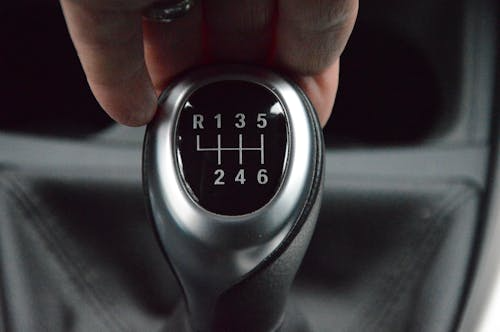
Manual transmissions were once a defining part of driving culture. They offered control, engagement, and a sense of connection between driver and machine.
In 2026, however, manual gearboxes are becoming increasingly rare, especially in mainstream vehicles.
Automatic Technology Has Surpassed the Manual Advantage
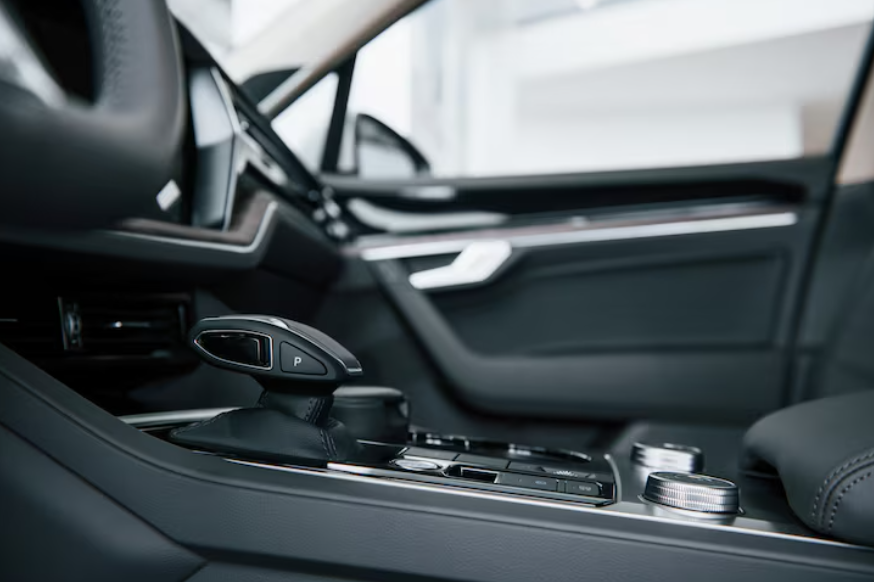
Modern automatic transmissions have improved dramatically. Multi-speed automatics, dual-clutch systems, and continuously variable transmissions now deliver faster shifts, smoother power delivery, and better fuel efficiency than most drivers can achieve with a manual.
In the past, manuals offered better performance and mileage. That advantage has largely disappeared. In many cases, automatics now outperform manuals in acceleration tests and meet emissions targets more easily, making them the practical choice for manufacturers.
See The Fastest-Growing Car Features Buyers Didn’t Ask For to understand how automation replaced manual driving skills.
Fewer Drivers Know How to Drive Stick
Driver familiarity plays a significant role in the decline of the manual transmission. Each year, fewer people learn to drive stick shifts. As a result, demand continues to shrink.
For automakers, offering a manual option that appeals to a small and shrinking audience is difficult to justify. Dealerships also struggle to sell manual vehicles, which often sit on lots longer than their automatic counterparts.
Traffic and Daily Driving Realities
Modern driving conditions favor automatics. Congested roads, stop-and-go traffic, and long commutes make constant clutch use tiring and impractical for many drivers.
Automatics reduce fatigue and simplify driving, especially in urban environments. As daily driving becomes more stressful, convenience increasingly outweighs engagement for the average buyer.
Explore The Cars That Stay Practical Without Feeling Boring to see how convenience outweighs engagement.
Emissions and Regulatory Pressure
Meeting emissions and fuel economy standards is easier with automated transmissions. Automatics can be precisely programmed to optimize shift points, engine load, and efficiency.
Manual transmissions rely on driver behavior, which varies widely. This unpredictability makes compliance more challenging. In 2026, as regulations tighten globally, automakers favor systems they can control more precisely.
Electric Vehicles Accelerate the Shift
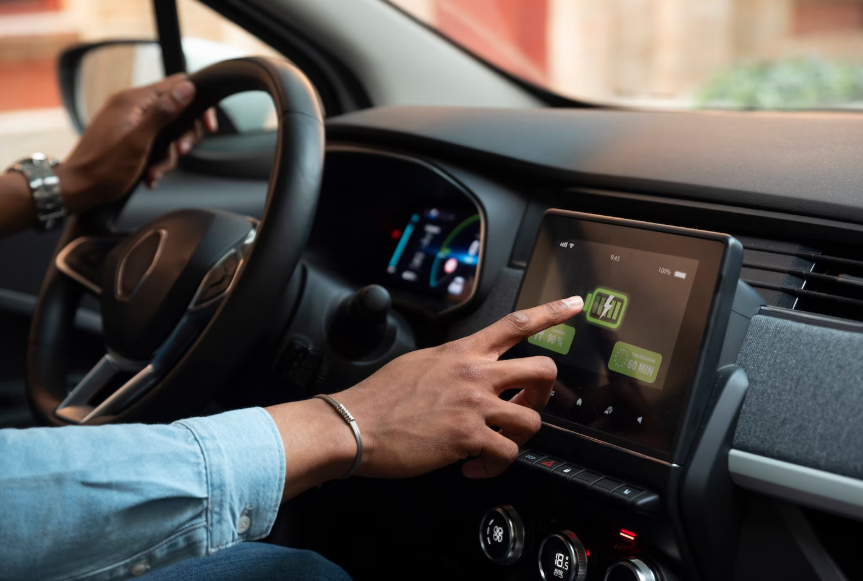
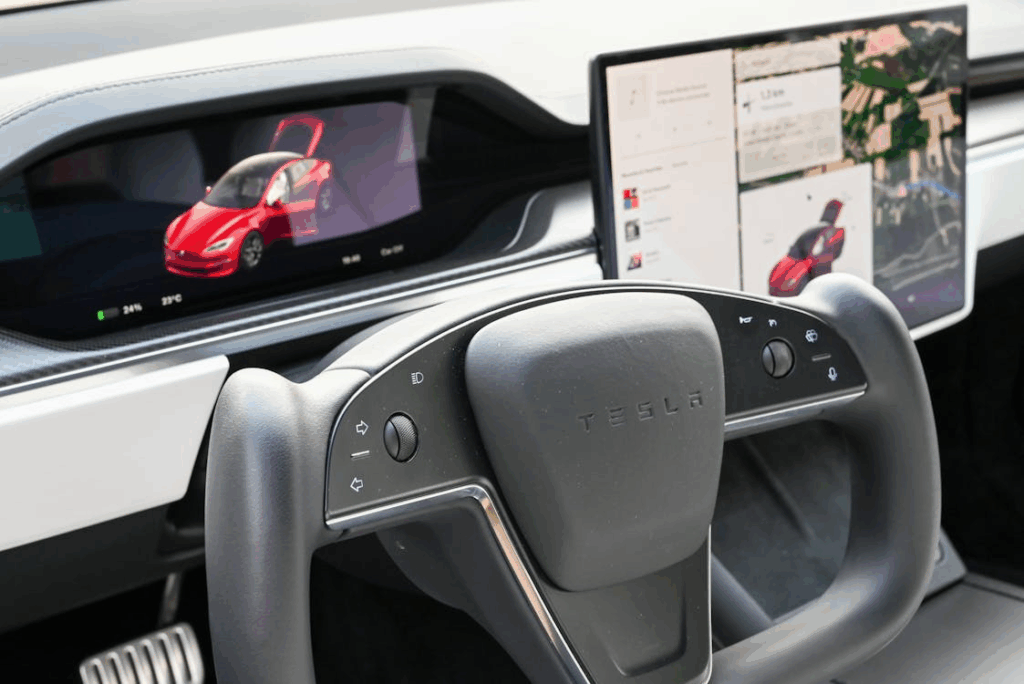
Electric vehicles don’t use traditional transmissions at all. As EV adoption grows, the relevance of manual gearboxes continues to shrink.
Even hybrid vehicles rely on automated systems to manage power efficiently. As electrification expands across lineups, manual transmissions become increasingly incompatible with modern powertrain strategies.
To see how convenience now outweighs size, read Why So Many Drivers Are Downsizing From Trucks and SUVs.
Cost and Complexity Considerations
Offering a manual option adds complexity to manufacturing. Separate engineering, testing, and certification are required, even if sales volumes are low.
For automakers focused on efficiency and profitability, removing manuals simplifies production. In a market under cost pressure, niche options are often the first to go.
Check out Why Simpler Cars Are Starting to Win Back Drivers to contrast automation with driver preference.
Manuals Survive in Enthusiast Niches
Despite their decline, manuals aren’t completely extinct. Performance cars and enthusiast-focused models still offer them to satisfy a passionate minority.
These vehicles position manuals as lifestyle features rather than mainstream options. In this context, the manual transmission becomes a statement of intent and is valued for engagement, not convenience.
What the Decline Really Represents
The disappearance of manuals reflects broader changes in driving itself. Cars are becoming more like appliances, transportation systems, and digital platforms rather than just mechanical experiences.
In 2026, convenience, efficiency, and accessibility dominate buying decisions. While manuals still hold emotional value for some drivers, the market has moved on. Their rarity isn’t a failure; it’s the natural result of how people drive today.