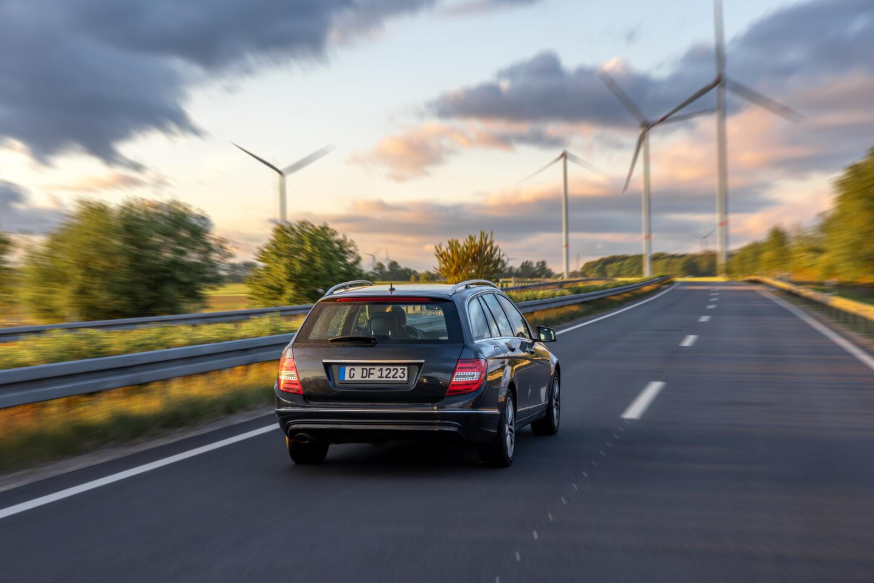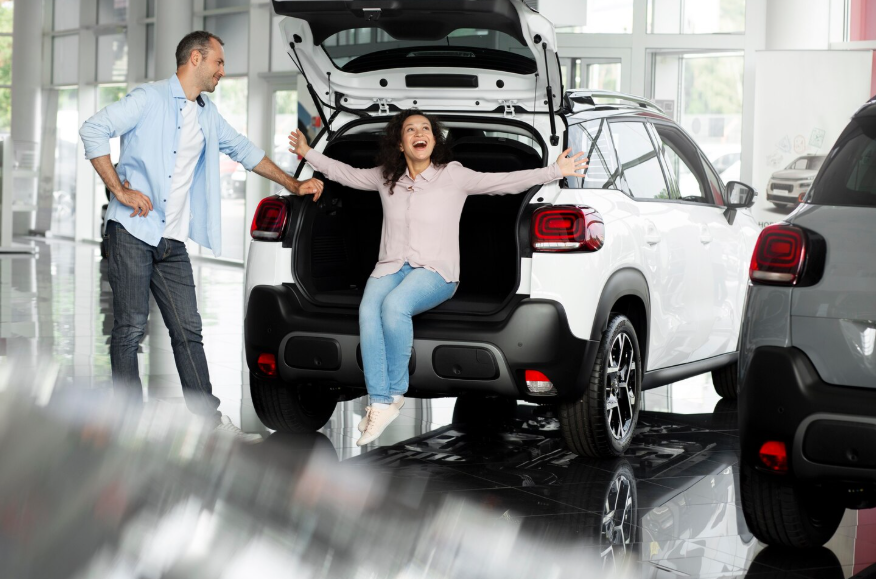
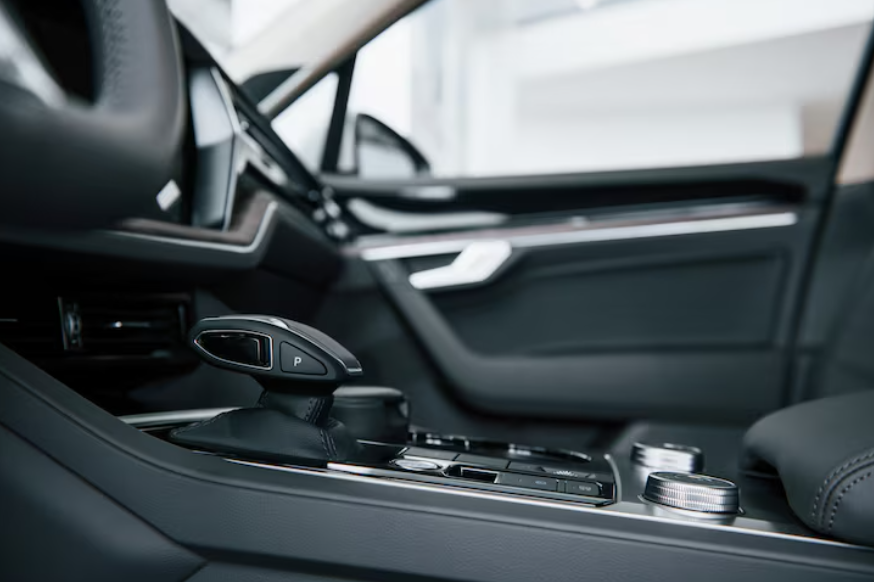
For years, more technology was assumed to be better. Bigger screens, more features, and deeper menus were framed as progress. Now, drivers are seeking models that focus on reliability, usability, and reduced complexity. This is why simpler cars are winning back drivers.
In 2026, a growing number of drivers are pushing back. Instead of chasing the latest tech-heavy vehicles, many buyers are gravitating toward simpler cars and away from constant digital engagement.
Complexity Fatigue Is Setting In
Modern vehicles demand attention in ways older cars never did. Touchscreens replace buttons, software updates change interfaces, and alerts interrupt driving more frequently.
Over time, this creates fatigue. Drivers don’t want to troubleshoot their car or relearn controls after every update. Simpler cars reduce cognitive load, allowing drivers to focus on driving rather than managing systems.
See Why Dashboard Screens Keep Getting Bigger to understand how digital overload leads to driver fatigue.
Reliability Feels More Valuable Than Innovation
As vehicles grow more complex, the cost of failure rises. Screens, sensors, and electronic modules introduce new failure points that are expensive to repair.
Simpler cars often rely on proven components and restrained technology. For many buyers, the appeal lies in predictability. A vehicle that consistently works feels more valuable than one packed with features that occasionally don’t.
Explore The Unexpected Costs of Owning High-Tech Vehicles to see how complexity increases ownership stress.
Physical Controls Improve Everyday Usability
One of the strongest drivers toward simplicity is the return of physical controls. Knobs and buttons provide immediate feedback and can be used without looking away from the road.
Drivers rediscover how much easier basic adjustments feel when they’re tactile. In 2026, usability is increasingly viewed as a safety and comfort feature rather than an outdated design choice.
Lower Ownership Stress Matters More Than Ever
Rising repair costs, insurance premiums, and subscription fees have resulted in car ownership stress. Simpler vehicles often avoid recurring software charges and expensive electronic repairs.
This reduces financial uncertainty. Owners appreciate knowing what their car will cost to maintain and operate without worrying about expiring features or unexpected system failures.
Minimal Tech Ages More Gracefully
Technology dates quickly. A large screen or advanced interface can feel obsolete within a few years as expectations evolve.
Cars that use technology sparingly tend to age better. Their functionality remains consistent even as trends change. In 2026, buyers recognize that less tech can mean longer relevance.
Explore Why “Reliable” Is Becoming the New Luxury to understand why restraint now signals value.
Driving Enjoyment Feels More Direct
Simpler cars often feel more connected to drive. Without layers of software intervention, steering, braking, and throttle response can feel more natural.
For many drivers, this directness enhances enjoyment. The car responds as expected, without filters or digital interpretation. Simplicity restores a sense of control that some drivers miss.
To see how convenience has replaced engagement, read Why Manual Transmissions Are Becoming Rare.
Trust Builds Long-Term Loyalty
Vehicles that don’t overwhelm owners earn trust over time. Drivers feel confident recommending them, keeping them longer, and returning to the brand.
This loyalty isn’t driven by excitement; it’s driven by satisfaction. A car that quietly meets needs without frustration becomes hard to replace.
Why This Shift Is Gaining Momentum
The move toward simpler cars isn’t anti-technology; it’s pro-balance. Buyers still want safety and efficiency, but they want technology that supports driving rather than dominates it.
In 2026, simplicity feels refreshing. As complexity peaks, restrained design and minimalism stand out. For many drivers, simpler cars aren’t a compromise; they’re a relief.